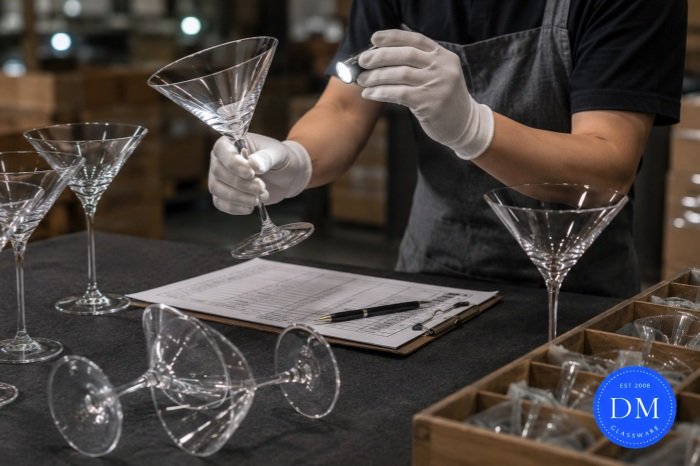
A hand blown cocktail glass inspection before shipment should answer one commercial question: does the finished order match the approved product closely enough to be shipped? It is not an attempt to make handmade glasses look machine-identical. It is a controlled review that separates normal craft variation from defects that affect safety, use, presentation, decoration, packing or saleability.
This distinction matters for importers, premium bar suppliers, hotel groups and private-label brands. If the standard is vague, the factory may accept pieces the buyer considers unsellable, while the buyer may reject harmless differences that were inherent in the selected process. The solution is to inspect against agreed references and record decisions consistently.
Define the Inspection Standard Before Opening Cartons
Pre-shipment inspection is too late to invent the product standard. The inspection pack should be prepared when the sample and order are approved. It should identify the item code, glass type, material, dimensions, capacity definition, target weight or range if relevant, decoration artwork, packing method and intended quality level.
Include the approved physical sample or a clearly controlled reference set. Add the final drawing, purchase-order requirements, approved decoration proof and packaging specification. For hand-blown items, document the acceptable range for shape, height, rim appearance, stem alignment and other features that matter to the project. Do not copy limits from an unrelated glass: achievable variation depends on the design and forming method.
DM Glassware’s hand-blown cocktail glass range includes different bowl, stem and foot structures. A coupe, martini glass, Nick & Nora glass and creative statement piece should not share one generic appearance rule. The inspection standard must follow the selected product.
Select Samples Across the Finished Order
Samples should come from the packed production lot, not from a group selected in advance for appearance. Choose cartons from different pallet positions or production portions, then select pieces within those cartons. This reduces the risk that the inspection represents only one operator, one time period or one carefully sorted area.
The purchase agreement should state the sampling plan, inspection level and acceptance rule when a formal statistical inspection is required. There is no single sample quantity suitable for every order. Order size, product value, fragility, decoration complexity, previous performance and buyer risk all influence the plan. If a third-party inspector is used, send the same documents and defect definitions to the agency and factory before the visit.
Classify Findings by Their Effect
Words such as “bubble,” “wave” or “tool mark” describe appearance, but they do not automatically determine the decision. The same feature can have different importance depending on its size, location, visibility and effect. A tiny isolated bubble in a non-contact area may be acceptable under an agreed handmade standard; a sharp inclusion near the drinking rim is a different matter.
Defects That Should Not Be Excused as Handmade Character
Hand production does not justify safety or functional failures. Inspectors should isolate pieces with cracks, chips, sharp rim points, unstable feet, visibly damaged stem joints, contamination, loose decoration, or other conditions that could make normal handling unsafe. A glass that rocks significantly, cannot stand as intended, does not fit the approved packaging, or fails an agreed functional check should be treated according to the defect standard—not accepted simply because it was handmade.
Variations That May Be Acceptable
Controlled differences in height, bowl profile, weight, small bubbles, tool traces or color distribution may be part of hand forming. They are acceptable only when they remain inside the approved range and do not change use, set presentation or packaging fit. The decision should be based on the reference set and written specification, not on whether one inspector personally likes the variation.
Follow a Repeatable Inspection Sequence
1. Confirm Product Identity and Quantity
Check item code, product version, pack count, carton marks and ordered quantity. Confirm that mixed models, colors or decorations are separated and labeled correctly. A visually acceptable glass is still wrong if it belongs to another approved version.
2. Review Dimensions, Capacity and Weight
Measure the dimensions defined in the specification, such as total height, rim diameter, bowl diameter, foot diameter and stem length. Use the agreed capacity method—for example, to a defined fill line or to the brim. Check weight only if it is a controlled characteristic. Measure several pieces with the same equipment and method, then compare results with the agreed range rather than one ideal number.
3. Inspect Appearance Under Consistent Conditions
Use stable lighting, a simple background and a stated viewing distance when appearance is important. Rotate each glass to review the rim, bowl, stem and foot. Look for cracks, chips, scratches, inclusions, excessive bubbles, distortion, discoloration and obvious surface contamination. Compare pieces together as a set because some mismatches are more visible in a row than individually.
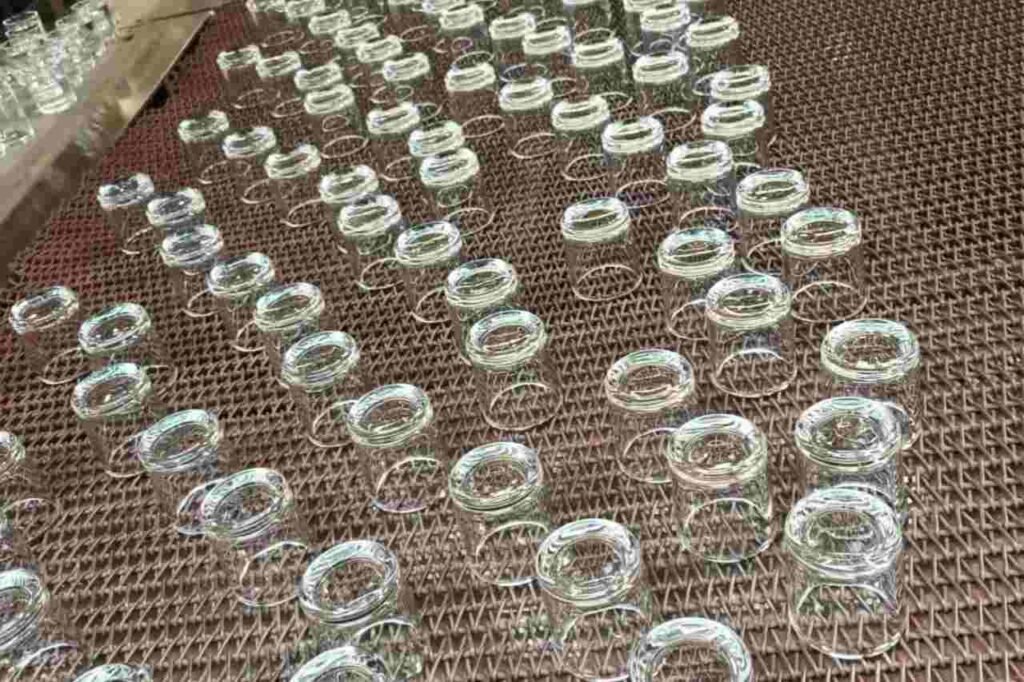
4. Check Stability, Alignment and Rim Feel
Place the glass on a verified level surface and press lightly around the foot. Check whether the stem is reasonably aligned with the bowl and foot according to the approved standard. Inspect and carefully feel the drinking edge for chips, sharpness, rough polishing or uncomfortable local thickness. For designs used on trays, a simple handling check with the intended serving volume can reveal top-heaviness or instability.
5. Verify Decoration
Compare logo, decal, spray color, hand-painted detail or metallic rim with the approved proof. Check position, orientation, color reference, coverage and visible defects such as missing areas, bubbles, folds, scratches or overspray. If adhesion, washing or abrasion testing is required, the exact method and pass criteria should already be part of the order documents. Do not claim a finish is dishwasher-safe without a defined and completed test.
6. Inspect Packaging and Carton Readiness
Open selected finished cartons and confirm the inner insert, dividers, protective materials, product orientation and pack count. Check that bowls, stems and feet have the intended clearance and cannot move excessively. Review retail boxes, barcodes, labels, shipping marks and master-carton condition. If a drop or transit test was agreed, use the actual packed configuration and documented procedure.
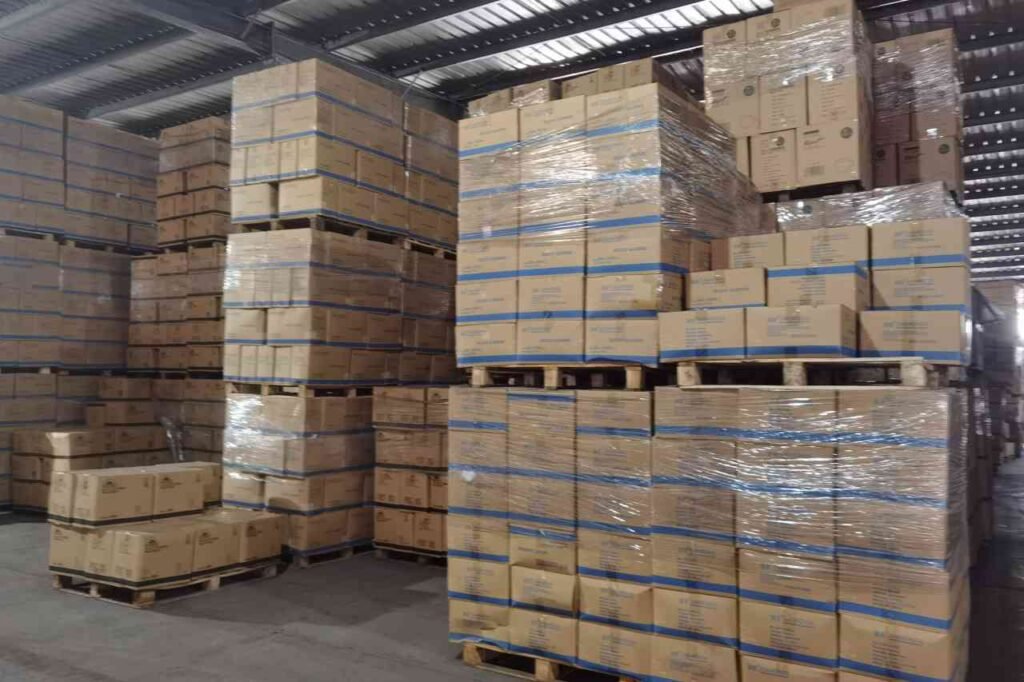
Pre-Shipment Checklist for Hand-Blown Cocktail Glasses
- Approved sample, specification, artwork and packing standard are available.
- Cartons and pieces are selected across the finished lot without advance sorting.
- Product identity, quantity, pack count and carton marks are correct.
- Dimensions, capacity and controlled weight are measured by agreed methods.
- Cracks, chips, sharp rims, unstable feet and damaged joints are isolated.
- Handmade variation is compared with the approved range and reference set.
- Decoration matches the approved artwork and agreed appearance standard.
- Inner packaging, retail boxes, labels and master cartons are verified.
- Every finding is recorded with item, carton, quantity and clear photos.
Record Findings and Decide the Disposition
An inspection report should identify where each finding occurred, how many pieces were checked, how many showed the condition and which agreed requirement applies. Use clear close-up and context photographs. Avoid reports that say only “quality is not good”; the factory needs enough information to locate, sort and correct the issue.
If the result does not meet the agreed acceptance rule, keep the affected goods controlled while buyer and supplier review the cause and options. Possible actions may include sorting, rework, replacement, repacking or reinspection, depending on the issue and purchase agreement. Shipment should not be released merely to protect the schedule when a material problem is still unresolved.
FAQ
Are bubbles always defects in hand-blown cocktail glasses?
No. Their acceptability depends on size, location, visibility, frequency and the approved quality standard. Bubbles that affect the rim, structure, branding or set appearance may be unacceptable even when smaller isolated bubbles elsewhere are allowed.
Can the approved sample replace written tolerances?
No. A sample shows appearance and feel, but one piece cannot define the full production range. Use the physical reference together with written measurements, defect definitions and acceptable examples.
Should every handmade glass be inspected?
Factories may perform production-line sorting, while the buyer’s final inspection may use an agreed sampling plan. The required approach depends on risk, order size, product design and contract terms. Do not assume that one method suits every project.
What should happen after a failed inspection?
Document the findings, control the affected stock and agree corrective action before release. After sorting, rework or repacking, a focused or full reinspection may be appropriate depending on the failure.
Prepare the Inspection Standard With the Factory
A useful pre-shipment inspection protects both sides because it replaces subjective arguments with product-specific evidence. The goal is not zero natural variation; it is controlled variation, safe function, consistent presentation and packaging that is ready for transport.
To prepare an inspection plan for a cocktail glass order, contact the DM Glassware team with the product, quantity, approved sample, decoration, packing method, target market and the characteristics that matter most. The team can review the factory and quality-control capabilities relevant to the selected design before production and shipment.