Machine-made glass tumbler consistency does not mean that every piece is mathematically identical. It means the production process keeps weight, capacity and key dimensions inside an agreed range that is suitable for the product, packaging and market. For a B2B buyer, the important question is not whether a supplier promises ‘perfect consistency,’ but whether the specification, measurement method and control plan are clear enough to detect drift before shipment.
This guide explains where variation comes from, which forming controls matter and what buyers should include in approval and inspection standards. No single tolerance fits every tumbler; the practical range depends on shape, process, mold condition, use and demonstrated capability.
Why Weight and Capacity Consistency Matter to B2B Buyers
Weight influences perceived value, material use, freight and retail-set gross weight. Capacity affects product claims, portion expectations and compatibility with other equipment. Both are linked to height, diameter, wall distribution and base thickness.
If a tumbler becomes wider, taller or heavier than approved, it may fit poorly in an insert, change carton weight or look mismatched in a set. Buyers comparing the DM drinking glass collection should treat weight, capacity and dimensions as one connected specification.
Define Exactly What ‘Capacity’ Means
Brimful capacity is measured to the top edge. Nominal or working capacity may be lower and relate to a label claim, serving level or fill line. The specification must state which value is controlled and how it is measured.
A repeatable method identifies sample condition, liquid or gravimetric method, reference temperature when relevant, fill point, equipment resolution and rounding. Use the same method for approval, process checks and final inspection.
Define Weight as a Range, Not One Exact Number
A drawing may show target weight, but approval also needs an acceptable range and sampling rule. One piece at target does not prove stability. Review pieces from different mold positions and production times.
Two tumblers can weigh the same while distributing glass differently between wall and base, changing balance, capacity and insert fit. Review weight with height, diameter, internal profile, base thickness and visible wall distribution.
The Main Production Controls Behind Tumbler Weight
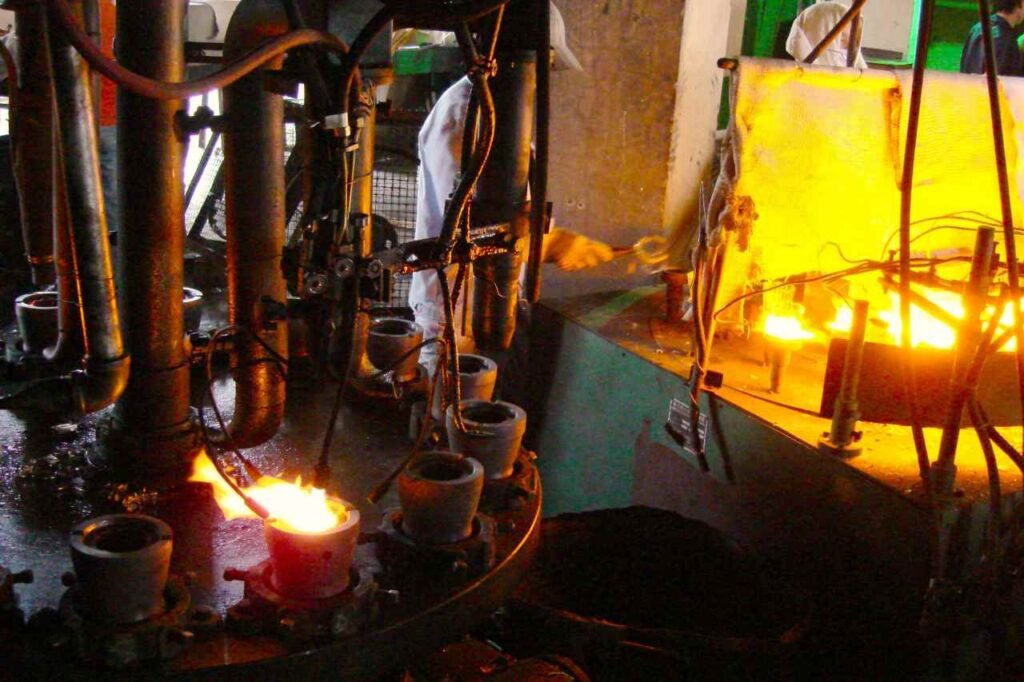
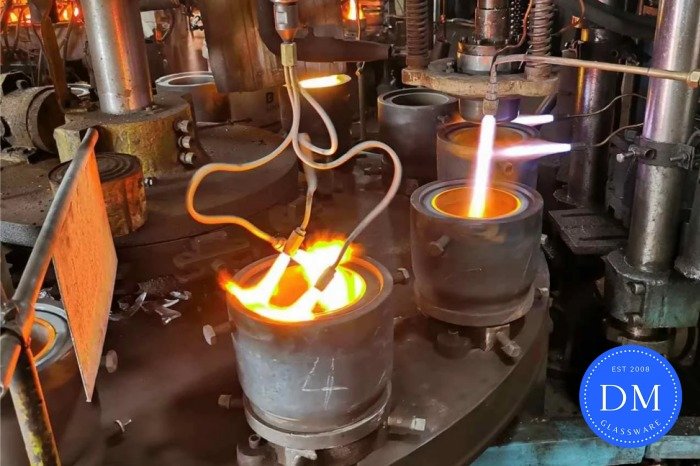
In automated forming, a measured portion of molten glass—the gob—is delivered to the station. Its mass strongly influences finished weight. Glass condition, feeder timing, cut settings and mold delivery must remain controlled; temperature or viscosity changes can alter forming behavior.
Process controls may include glass condition, gob delivery, machine cycle, mold temperature, forming pressure or air, take-out timing and weight trends. Pressed, press-and-blow and machine-blown products require different plans.
How Molds and Forming Conditions Affect Capacity
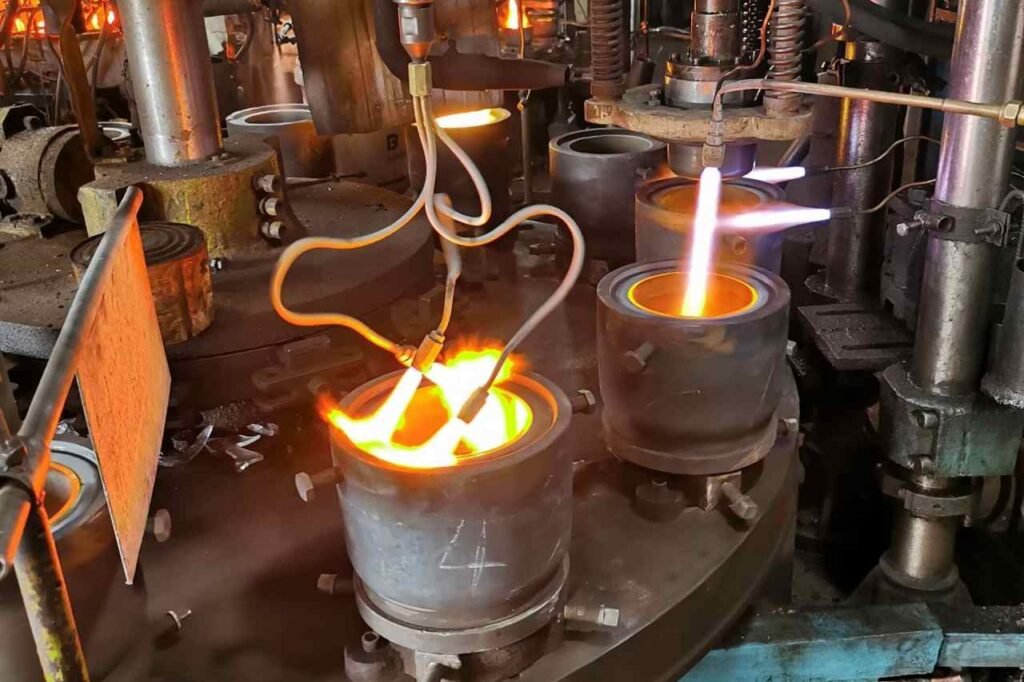
In pressed tumblers, punch and mold define much of the profile. In blown processes, mold shape, air, glass distribution and timing influence wall and volume. The same weight can produce different capacity if glass shifts toward the base or wall.
Each mold position is a possible variation source. A worn or differently conditioned mold can create a pattern hidden by mixed samples. Position identification, scheduled measurements and maintenance records separate random variation from mold-specific issues.
Separate Start-Up Approval From Routine Production Monitoring
The first acceptable pieces should not release the full run. Start-up approval confirms mold set, target settings, appearance, weight, capacity and dimensions; routine monitoring must still cover production time and mold positions.
Check at start-up, after adjustment or mold change, at defined intervals and near run end. Set frequency by risk, order size, history and buyer requirements. Record measured values, not only ‘passed.’
Set Buyer Tolerances From Function and Demonstrated Capability
Each tolerance should protect a commercial requirement such as label accuracy, set matching, packaging fit, automated handling or consumer feel. Tighter limits may require more control, sorting, inspection or design changes.
Review representative samples and trial data before ordering. If the range is too wide, consider design changes, target adjustment, tooling improvement or sorting. Hand-blown production is not a shortcut to tighter control; choose it only when its design, quantity and price fit the project.
Build a Measurement Plan That Both Sides Can Repeat
The approved specification should state the instrument, method, sample size or sampling reference, timing and result format for each characteristic. It should also explain what happens when one result is outside the range: immediate hold, confirmation measurement, expanded sampling, sorting, adjustment or buyer review. Do not wait until final inspection to negotiate this decision tree.
For weight and capacity, the plan should answer:
- What is the target and acceptable range?
- Is capacity brimful, nominal, working volume or a marked fill line?
- Which instrument and method will be used, and how are results rounded?
- How are samples distributed across mold positions and production time?
- Which related dimensions are checked with weight and capacity?
- What action follows an out-of-range result or a drifting trend?
- Which records and retained samples will support repeat orders?
Use Final Inspection to Verify the Batch, Not Control the Process
Final inspection is important, but it samples finished output after production has already occurred. It can verify whether the shipment meets the agreed specification; it cannot replace feeder, mold and forming control during the run. A batch may contain an early or position-specific drift that a small final sample does not explain.
Ask for a summary that connects in-process records, final inspection and the approved golden sample. The DM factory and quality-control overview provides context for manufacturing and inspection capabilities, but buyers should still specify which checks apply to their exact tumbler and order.
Diagnose the Pattern When Results Drift
Do not treat every out-of-range result as the same problem. A gradual weight trend may point to changing feeding or thermal conditions. A difference concentrated in one mold position may suggest mold wear, temperature or alignment. Stable weight with changing capacity may indicate a shift in internal distribution. Both weight and capacity moving together may require review of gob delivery and forming settings.
Record time, mold position, weight, capacity and related dimensions before making conclusions. Photos help with visible shape changes, but measurement data is needed to identify the pattern. After adjustment, verify more than the first corrected piece and document which output is accepted, held or rechecked.
Protect Consistency Across Repeat Orders
For repeat programs, preserve the approved drawing, golden sample, mold identification, measurement method and packaging configuration. Record any approved change to weight, capacity, material, decoration or box. If tooling is repaired or replaced, confirm whether a new comparison sample is required.
Buyers should compare new production with the approved specification, not only with the last shipment. A previous batch can contain its own drift. Trend records across orders are useful for spotting gradual changes and for deciding whether the target or control method needs revision.
Buyer Checklist for Weight and Capacity Consistency
- Approve the tumbler shape and manufacturing method before setting tolerances.
- Define target weight, acceptable range and related dimensional checks.
- Define capacity type, fill point, liquid or weighing method and rounding.
- Review trial samples from multiple mold positions and production times.
- Agree start-up, in-process, post-adjustment and final sampling requirements.
- Define reactions to single failures and process trends before production.
- Keep an approved sample, drawing, revision record and measurement results.
Frequently Asked Questions
What is a normal weight tolerance for a machine-made tumbler?
There is no universal percentage or gram range. It depends on the product weight, shape, forming process, mold system, function and demonstrated capability. Agree a project-specific range after reviewing representative trial samples.
Why can two glasses with the same weight have different capacity?
Glass may be distributed differently between the wall and base, changing the internal profile. Mold condition, forming pressure or air, temperature and timing can influence this distribution. Check related dimensions instead of relying on weight alone.
Should capacity be measured to the rim?
Only if the specification controls brimful capacity. If the commercial claim is a working volume or fill line, define that measurement instead. The key is to use the same written method for approval and inspection.
Can final inspection guarantee consistency?
Final inspection can provide evidence about sampled finished goods, but consistency is primarily created through stable production controls and in-process monitoring. Use both, with an agreed reaction plan for drift.
What should I send a supplier for a consistency review?
Send the product drawing or reference sample, intended use, target weight and capacity definition, critical dimensions, packaging constraints, order quantity, inspection requirements and repeat-order expectations. Ask the supplier to propose measurement methods and achievable project-specific ranges.
Create a Measurable Tumbler Specification
Reliable machine-made tumbler consistency comes from connecting product design, forming controls, mold management and measurement. Buyers should define what weight and capacity mean, approve realistic ranges, sample across time and mold positions, and agree actions for drift before production begins.
For a new bulk tumbler program, contact the DM Glassware team with your selected shape, target quantity, weight and capacity expectations, packaging and inspection needs. The team can review the product and propose a sampling and approval approach for quotation and trial production.