
Hospitality distributors do not need every glass shape in the market. They need the right group of repeatable SKUs for the venues they serve. A good bar glassware assortment covers common drink programs, fits commercial storage and washing systems, offers clear price tiers, and can be replenished without leaving slow-moving stock in the warehouse.
The starting point is the product category and buyer channel. A hotel-supply distributor serving casual restaurants needs a different mix from a specialist supplying cocktail bars, banquet hotels, or beverage brands. Machine-made or hand-blown is a later process decision based on the selected product, design, quantity, MOQ, price target, and required look.
Buyers can review DM Glassware’s bar glassware collection and broader glassware product range while building the initial SKU map. The following framework helps turn those catalogues into a commercial assortment.

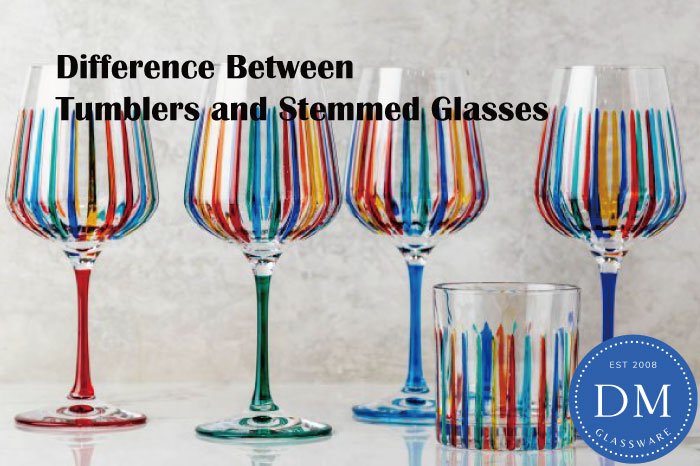
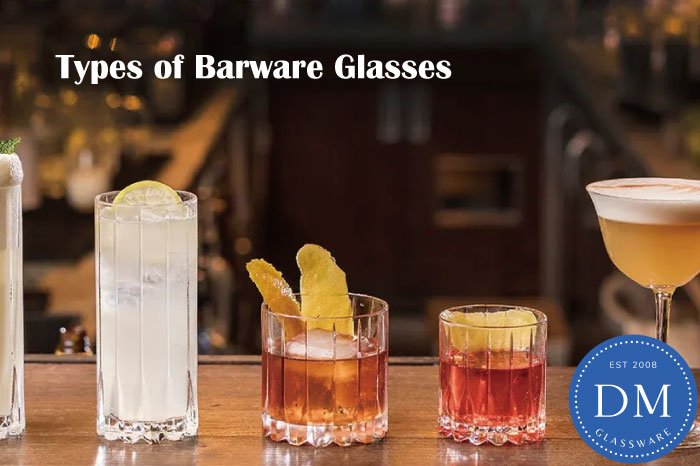
Image source: DM Glassware bar glassware collection
Start With Venue Segments
List the customer groups that generate most of your sales. Do not begin by choosing attractive products. Begin with how customers serve drinks.
Casual Restaurants and Cafes
These venues usually value multipurpose tumblers, practical capacity, efficient washing, and easy replacement. A compact core may include a short tumbler, a tall water or soft-drink glass, a beer glass, and one universal wine glass.
Hotels and Banquet Operations
Hotels may need a wider but standardized range: water tumblers, red and white wine glasses, champagne glasses, highballs, beer glasses, and selected cocktail shapes. Banquet use increases the importance of rack fit, case quantities, handling speed, and replacement stock.
Cocktail Bars
Menu identity matters more. Coupe, martini, Nick and Nora, highball, Collins, rocks, and specialty glasses may all be relevant, but the distributor should confirm which shapes have repeat demand rather than stocking every trend.
Pubs, Breweries, and Sports Venues
Beer formats, pint-style glasses, mugs, and durable tumblers dominate. Branded decoration and defined fill capacity may be important, depending on the market and customer requirement.
Events and Rental Companies
These buyers often need large quantities, nesting or storage efficiency where appropriate, fast counting, durable transport packaging, and styles that work across many event themes.
Build a Core, Growth, and Special-Order Range
An assortment is easier to control when every SKU has a role.
| Range role | Purpose | Typical decision rule | Inventory approach |
|---|---|---|---|
| Core | Covers frequent drinks and broad venue demand | Proven repeat sales across several customer groups | Keep planned stock and reorder points |
| Growth | Adds a price tier, trend, or customer segment | Repeat demand exists but volume is less stable | Carry controlled stock and review regularly |
| Special order | Supports custom, premium, or narrow menu needs | Buyer commitment is required before production | Quote by project instead of holding broad stock |
Core products should generate most routine availability. Growth products can test new demand without turning the full catalogue into warehouse inventory. Special-order products let sales teams offer breadth while controlling working capital.
Map Glass Types to Real Drink Programs
Ask customers for menus, not only glass names. Different buyers may use the same product under different names, while one glass can serve several drinks.
A practical mapping can include:
- short tumbler or rocks glass for spirits, water, and short cocktails;
- highball or Collins glass for long mixed drinks and soft drinks;
- beer glass or pint-style format for draft and packaged beer service;
- universal wine glass for operations that want fewer stemware SKUs;
- coupe or martini glass for stemmed cocktails;
- flute or tulip sparkling glass for banquets and celebrations; and
- shot glass for measured service, tastings, or promotions.
The goal is not to claim one glass is perfect for every drink. It is to identify where a multipurpose SKU is commercially acceptable and where a dedicated shape creates enough value to justify inventory.
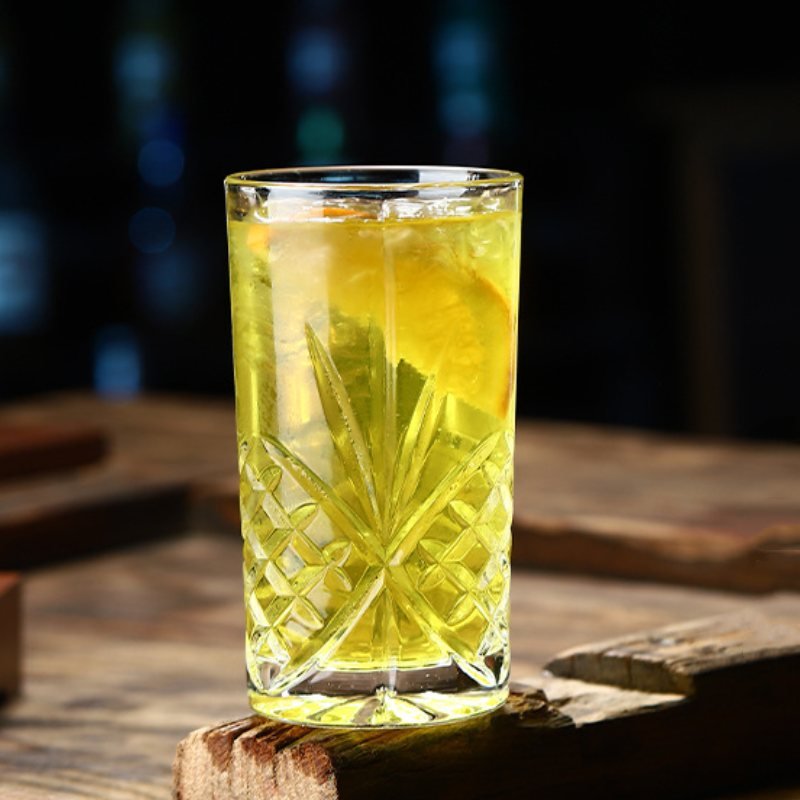
Image source: DM Glassware highball and cocktail glass guide
Control Capacity Overlap
Too many near-identical capacities make sales and replenishment harder. Compare actual customer use before adding another size.
For every candidate SKU, record:
- nominal and usable capacity;
- height and diameter;
- ice, garnish, and pour requirements;
- common drink applications;
- rack and shelf fit;
- carton count and unit weight; and
- which existing SKU it replaces or complements.
If two glasses serve the same venue, drink, price tier, and pack format, one may be unnecessary. However, do not remove a capacity difference that supports a real pour size or menu requirement.
Create Clear Price Tiers
Price tiers should be built around a measurable product and service difference, not vague labels.
Value Tier
Use straightforward shapes, efficient pack formats, limited decoration, and products suitable for broad-volume hospitality demand. The commercial advantage is availability and replacement simplicity.
Standard Tier
Offer better visual refinement, more profile choices, or a selected decoration option while keeping practical repeat-order conditions. This is often the main assortment for hotels and restaurant groups.
Premium Tier
Use the tier for products with a genuinely different design, material specification, rim treatment, balance, decoration, or presentation pack. Premium should not simply mean a higher price for a similar item.
Do not assume that hand-blown is always premium or that machine-made is always basic. A well-engineered machine-made tumbler may be the correct premium-volume solution, while hand-blown production may suit a distinctive lower-volume shape. Process follows the product and commercial plan.
Standardize Specifications Across the Range
Distributors manage fewer complaints when specification files use the same structure. For each SKU, control:
- model code and drawing revision;
- material and appearance description;
- capacity, key dimensions, and weight reference;
- rim, base, stem, or handle details as applicable;
- decoration artwork and color reference;
- intended use and required performance checks;
- inner and master packing; and
- approved sample and inspection criteria.
Avoid unsupported claims such as “unbreakable” or a guaranteed dishwasher life without an agreed test method. Describe the intended use, define the relevant test or customer protocol, and approve the actual sample.
Make Packaging Part of Assortment Planning
The same glass can be commercially different in bulk divider packing, an inner box, a retail set, or a gift box. Hospitality distributors should decide whether they sell by piece, inner pack, case, or project.
Ask these questions:
- Does the case quantity match common customer order quantities?
- Can warehouse staff identify the SKU without opening the carton?
- Does the inner pack protect partial-case picking?
- Do carton dimensions fit shelves, pallets, and delivery vehicles?
- Are replacement units available in the same pack format?
Pack-count standardization can reduce errors, but forcing one pack count across very different shapes may waste space or reduce protection. Let product dimensions and handling risk guide the final design.

Image source: DM Glassware private-label bar glassware overview
Forecast and Reorder by SKU Behavior
Classify SKUs by sales velocity, customer concentration, and supply lead time. A fast seller used by many restaurants needs a different reorder point from a premium coupe purchased by two hotel groups.
Track:
- monthly sales and order frequency;
- number of active buying customers;
- seasonal peaks and event demand;
- current stock, committed stock, and incoming stock;
- breakage or return patterns;
- supplier production and shipping time; and
- risk if the SKU is unavailable.
Review slow movers before reordering. A product may remain useful as a special-order item even when it no longer deserves stocked status.
Use Samples to Test the Assortment
Before adding a new range, create a small sample set for sales, operations, and selected customers. Evaluate table presentation, grip, balance, rack fit, washing, storage, carton handling, and menu compatibility.
Record feedback by SKU. “Looks good” is not enough. Ask whether the glass replaces an existing item, opens a new account, supports a better margin, or creates unnecessary overlap.
Distributor Assortment Checklist
Before confirming the range:
- define target venue segments;
- identify core drink programs;
- assign every SKU a core, growth, or special-order role;
- remove unjustified capacity and shape overlap;
- set value, standard, and premium differences;
- approve product and packing specifications;
- confirm repeat-order conditions and change notification;
- establish reorder points; and
- prepare samples and sales guidance.
Frequently Asked Questions
How many bar glassware SKUs should a distributor start with?
There is no universal number. Start with the smallest range that covers the main venue segments and drink programs, then add SKUs when sales evidence or a committed customer justifies them.
Should distributors stock every cocktail glass shape?
Usually not. Keep frequently repeated shapes in the stocked range and offer narrow or trend-driven designs as controlled special orders.
Can several venues use the same tumbler?
Yes, when capacity, handling, presentation, and washing needs align. A multipurpose tumbler can reduce inventory, but it should not replace a dedicated glass where the menu or service experience requires one.
What information should be sent for a factory quotation?
Provide target SKUs, reference photos or drawings, capacity, dimensions, quantity by item, decoration, pack format, destination, and target timing. Also explain which items require repeat stock.
Turn a Catalogue Into a Sellable Range
Successful bar glassware assortment planning is not about offering the most shapes. It is about covering real hospitality demand with controlled specifications, clear price tiers, practical packaging, and repeatable supply.
Hospitality distributors can contact DM Glassware with their customer segments, target drink programs, annual volume estimates, packaging needs, and preferred stock strategy. DM can help identify suitable product routes and prepare the information required for sampling and quotation.