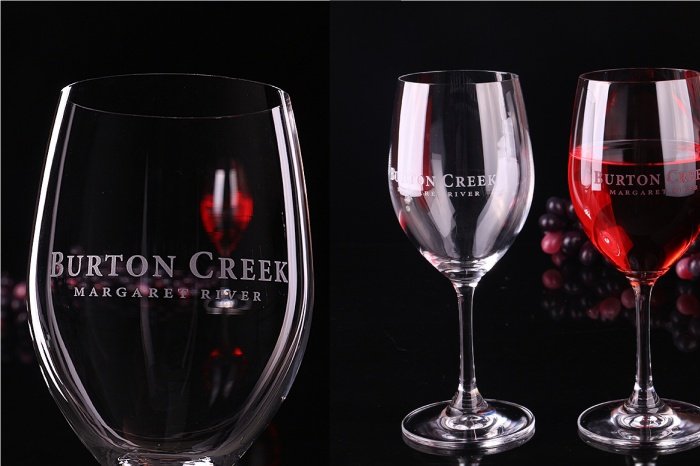
A golden sample is the physical reference that turns a custom wine glass idea into an agreed production standard. For an importer, hotel group, retailer or beverage brand, approving it should mean more than saying that the glass “looks good.” The approval must tell the factory what must remain consistent, what normal production variation is acceptable, and which details would require correction.
Wine glasses combine sensitive features: bowl shape, capacity, rim, stem, foot, balance, decoration and packaging. A change in one area can affect carton fit, shelf presentation or user experience. A clear record lets the buyer and factory evaluate production against the same reference.
DM Glassware’s wine glass manufacturing and customization options include both machine-made and hand-blown products. The correct process depends on the design, quantity, budget and expected level of uniformity. However, the approval principle is the same: define the product first, then approve a representative physical sample together with written specifications.
What Is a Golden Sample?
A golden sample is the final approved sample used as a reference for mass production and inspection. It should represent the agreed glass shape, dimensions, capacity, weight range, decoration, color and packaging configuration.
It is not simply the first sample sent. Early samples may confirm shape, logo position or decoration options. The golden sample is created after important comments are resolved and the final version is recorded.
Ideally, both parties retain an approved sample from the same set, identified by item number, version and approval status. Photos and a signed specification support the sample but do not replace it, because balance, rim feel and decoration texture are difficult to judge from images.
Prepare the Specification Before Reviewing the Sample
The fastest way to make sample approval unreliable is to inspect the glass without a written specification. Before the sample arrives, create one specification sheet that separates fixed requirements from agreed production tolerances.
Product Identity and Intended Use
Record the item code, target market, use case and sales channel. A premium hand-blown wine glass for a hotel may be judged differently from a machine-made retail set designed for repeated supermarket orders. Also state whether the glass must fit an existing gift box, dishwasher rack, tray or shelf space.
Dimensions, Capacity and Weight
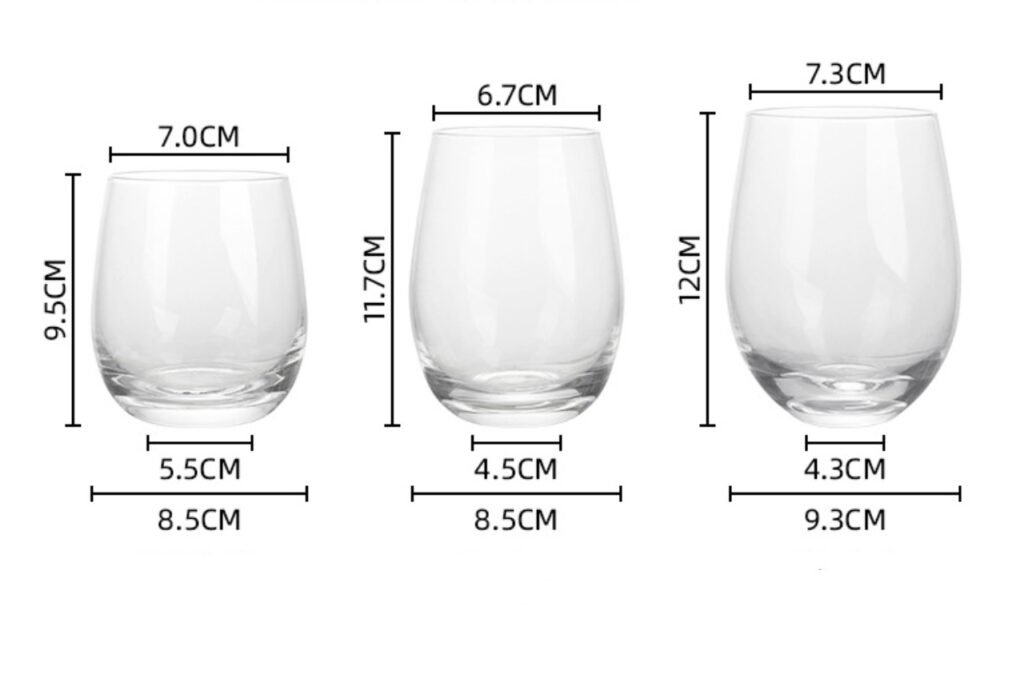
The specification should identify total height, maximum bowl diameter, rim diameter, foot diameter and nominal capacity. If weight is important for handling, freight or premium feel, record the target and an agreed range.
Do not copy tolerances from another project. The achievable range depends on design and production method. Ask the factory to propose realistic limits and confirm them before approval.
Decoration and Packaging
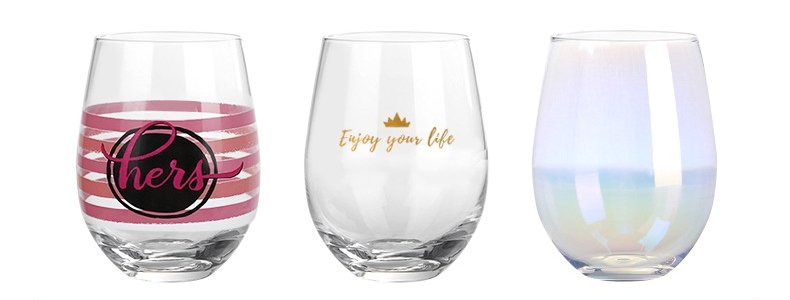
For printed, decal, engraved, sprayed or rim-decorated glasses, identify the artwork version, Pantone or approved color reference, print dimensions and location. Packaging specifications should show pack count, dividers or inserts, retail box artwork, barcode position, labels and master-carton requirements.
If you need help translating an idea into production-ready artwork and decoration requirements, review DM’s glass cup customization capabilities before requesting the final sample.
Inspect the Physical Wine Glass in a Fixed Order
Use the same review order for every sample. This prevents the team from focusing on the logo while missing a structural or packing issue.
1. Confirm Shape, Proportion and Balance
Place the glass on a flat, level surface. Check that it stands steadily and that the foot, stem and bowl look correctly aligned. View it from several directions rather than only from the front.
Hold the glass as a user would and judge its balance. Compare it with the approved drawing and earlier comments; an elegant bowl can still feel top-heavy, while an overly thick foot can change the intended appearance.
2. Measure Critical Dimensions and Capacity
Measure the points that affect function, packaging or visual consistency. Use the same measurement method the supplier will use during production. For capacity, define whether the value means brimful capacity or a practical fill line; these are not interchangeable.
Ask which dimensions will be monitored during production and by what method. The sample establishes appearance; the written measurement plan makes the standard repeatable.
3. Review Rim, Stem, Foot and Joint Areas
Inspect the rim in good light and run a finger carefully around the drinking edge. Check smoothness, evenness and the agreed rim style. Examine the stem for straightness and the foot for stability.
For stemmed glasses, pay special attention to the transitions between bowl, stem and foot. The acceptable appearance depends on whether the glass is machine-made or hand-blown, but sharp edges, obvious instability or defects that affect safe handling should never be approved as normal variation.
4. Check Clarity and Visual Appearance
Review the glass against both a light and dark background. Look for stones, cracks, sharp marks, heavy scratches, contamination and bubbles or waves that fall outside the agreed appearance standard.
Avoid using “no defects” as the entire requirement. A useful record identifies critical, major and minor defects with clear photo examples, giving inspectors a practical basis for production and pre-shipment decisions.

Approve Decoration as a Separate Standard
Do not hide decoration approval inside a statement such as “logo approved.” Record details that production and inspection teams can check.
Artwork, Position and Orientation
Confirm the artwork revision, logo dimensions and distance from a fixed point such as the rim or base. State its display orientation.
Color, Coverage and Surface Quality
Evaluate color under consistent lighting. Check coverage, edges, pinholes, dust and uneven areas. When variation is possible, approve a physical color limit or signed panel rather than relying on phone photos.
Use and Care Expectations
State how the glass will be used and cleaned. Do not assume every decoration has the same washing or abrasion performance. Agree in writing on the relevant test method and acceptance rule.
Machine-Made or Hand-Blown: What Changes in Approval?
Choose the process after defining the product and purchasing requirements. Machine-made production suits scale, repeatability and competitive unit economics. Hand-blown production can suit lower quantities, lower tooling investment or premium forms when the buyer accepts higher unit cost and controlled handmade variation.
For Machine-Made Wine Glasses
Focus on mold repeatability, weight distribution, rim finish and packaging fit. The sample must represent intended production conditions, not a specially polished piece. Confirm that it came from the proposed mold and process.
For Hand-Blown Wine Glasses
Approve a range rather than expecting identical pieces. Define limits for height, weight, capacity, stem straightness, foot centering and rim appearance. Several samples help show natural process variation, which should remain controlled and appropriate for the price position.
DM’s factory and quality-control overview explains how production capability, molds, decoration and in-process inspection connect. For a custom project, ask which control points apply specifically to your chosen wine glass rather than assuming one standard fits every product.
Approve Packaging With the Glass
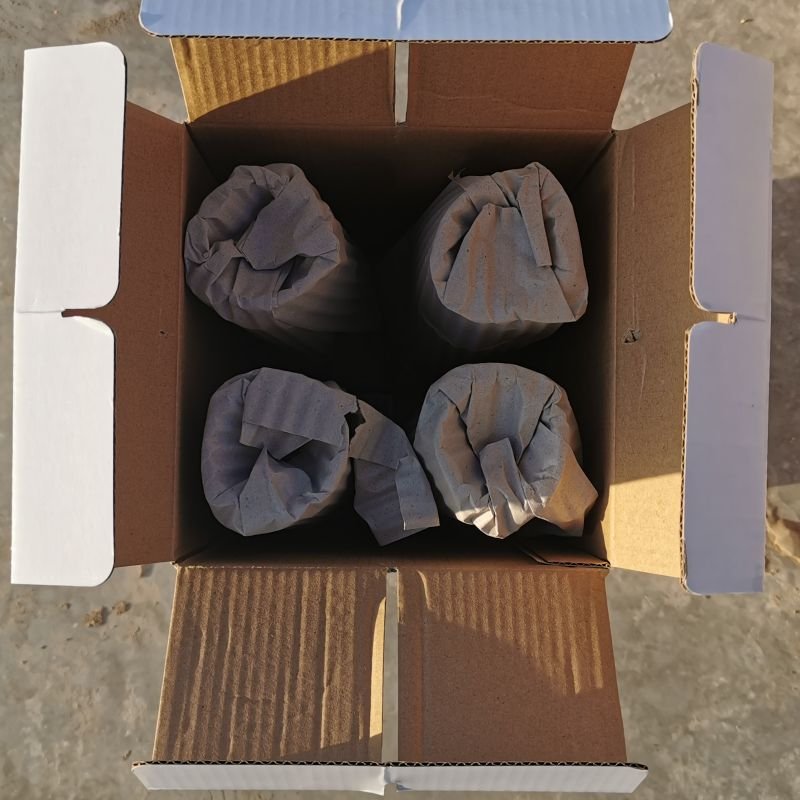
The product is not fully approved until the glass and its final packaging have been checked together. Place the sample in the intended divider, insert or retail box. Check movement, contact points, stem protection, box closure and presentation after opening.
Verify printed information, barcode readability, pack count and orientation. If transit or drop testing is required, agree on the setup and acceptance criteria for the actual packed configuration, not an empty box mock-up.
Golden Sample Approval Checklist
Use this checklist before signing the approval:
- The item code, drawing revision and artwork revision match the purchase project.
- Critical dimensions, nominal capacity and weight requirements are recorded.
- Shape, balance, rim, stem, foot and joint areas have been physically reviewed.
- Appearance limits are supported by clear descriptions or reference photos.
- Decoration size, position, color and surface requirements are approved.
- The applicable cleaning or decoration test has a defined method and acceptance rule.
- Final retail packaging, dividers, labels, barcode and master carton are confirmed.
- Machine-made or hand-blown variation limits reflect the actual production method.
- Buyer and supplier each retain an identified approved sample or equivalent controlled reference.
- Any approved deviation is written into the specification instead of remaining in email discussion.
How to Record Approval Without Creating Ambiguity
Use a short approval form that lists every open comment. Mark each item as approved, approved with a written condition, or rejected for revision. Avoid messages such as “looks fine” or “please improve slightly,” because they cannot be measured during inspection.
Connect the physical sample to the purchase order, specification, drawing, artwork and packaging files. After any change, issue a new revision and decide whether another sample is required. Never allow an old sample and new artwork to both appear final.
Before production, confirm that the factory, mold, material, forming method and decoration process match the approved route. Review necessary changes before the line starts.
FAQ
Is one sample enough for approval?
One reference may suit a stable machine-made design, while extra samples help assess decoration or hand-blown variation. Base the number on project risk.
Should the buyer sign the physical sample?
Identification is valuable. A label or signed tag can show the item number, version and approval status without damaging the area that must be inspected. Both parties should keep matching records.
Can photos replace the golden sample?
Photos help document color, logo position and comments, but they do not fully show weight, balance, rim feel, transparency or subtle surface differences. Use them as supporting evidence, not the only reference for a complex custom glass.
What happens if mass production differs from the sample?
Compare the goods with both the approved sample and written tolerances. Determine whether the difference is within the agreed range, affects function or saleability, or requires sorting and corrective action. The response should follow the purchase agreement and inspection standard rather than an informal visual opinion.
Start Your Custom Wine Glass Project With a Clear Approval Standard
A useful golden sample is a controlled production reference, not a souvenir from the sampling stage. When shape, measurements, decoration, packaging and acceptable variation are recorded together, the factory can control the order more effectively and the buyer can inspect it more fairly.
To prepare a new wine glass project, send DM Glassware your target shape, quantity, market, decoration artwork, packaging needs and the dimensions that matter most. You can contact the DM Glassware team to review your sample and specification requirements before mass production.