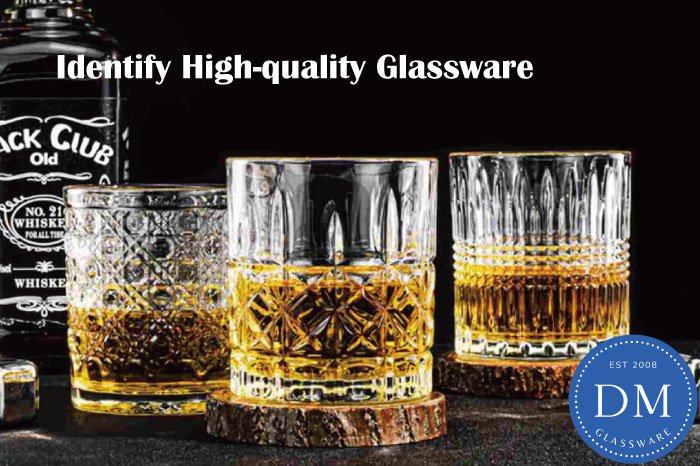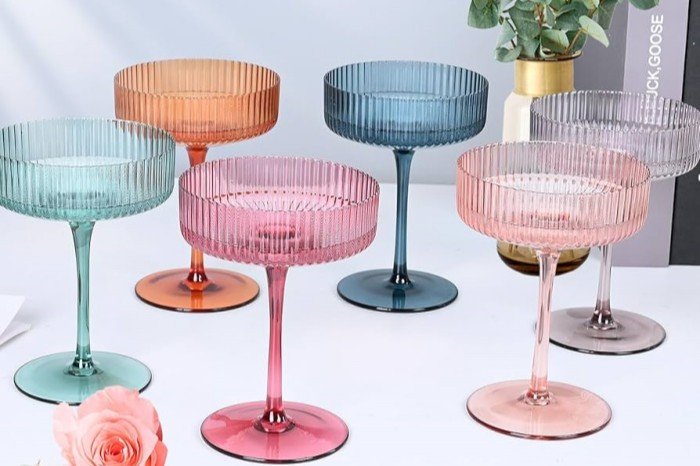
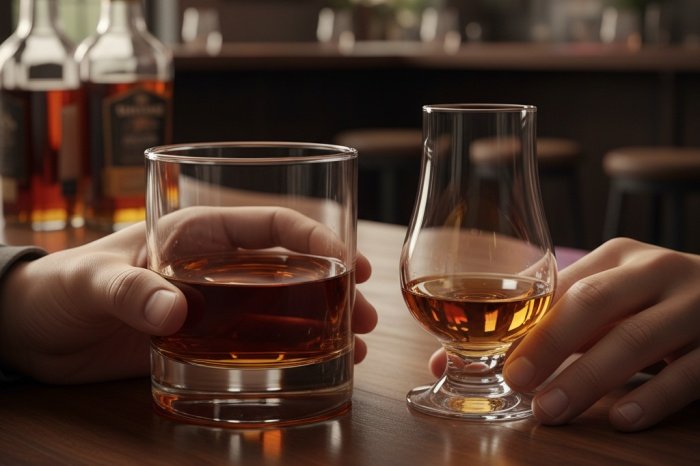
You invest significant capital into procuring a premium small-batch bottle, anticipating the rich complexity described by distillers. You pour it into a standard kitchen tumbler, take a sip, and instead of notes of caramel or toasted oak, your nose is assaulted by a harsh burn of ethanol.
You cannot find the subtle flavor profiles promised in the reviews, effectively wasting your investment on a sub-par tasting experience that feels indistinguishable from a budget rail drink.
The physics of glassware is the missing link; this guide analyzes how specific shapes, weights, and rim architectures dictate the flavor profile of your spirit, determining whether you experience the nuanced craft of the distiller or just the raw heat of the alcohol.
What defines a whiskey glass and a bourbon glass?
Here is the deal. While all bourbon is whiskey, the glassware requirements for each can differ based on the spirit’s chemical composition and proof. Whiskey is a broad category encompassing Scotch, Irish, Japanese, and American styles, each with varying grain bills—barley, rye, wheat, or corn. Bourbon, specifically, must be made from at least 51% corn and aged in new charred oak barrels. This high corn content often results in a sweeter, fuller body compared to the drier, peatier notes of a Scotch.
The distinction in glassware often comes down to managing “proof sting.” Bourbon is frequently bottled at higher proofs (often barrel strength exceeding 100 proof), which releases more volatile ethanol vapors. A glass designed specifically for bourbon often features a wider bowl than a traditional Scotch nosing glass to allow these aggressive vapors to dissipate slightly before reaching the nose, preventing olfactory fatigue.
Conversely, a general whiskey glass, particularly for lower-proof blends or delicate single malts, might prioritize a narrower opening to capture fleeting floral or fruity esters. Understanding the mash bill—corn versus grain—is the first step in selecting a vessel that supports the spirit’s weight and volatility.
Key Factors in Definition
- Proof Management: High-proof bourbons require headspace to diffuse ethanol.
- Grain Sweetness: Corn-heavy spirits benefit from wider rims that hit the tip of the tongue.
- Char Influence: The vanilla and caramel notes from charred oak need room to oxidize.
Does shape impact a whiskey glass and a bourbon glass?
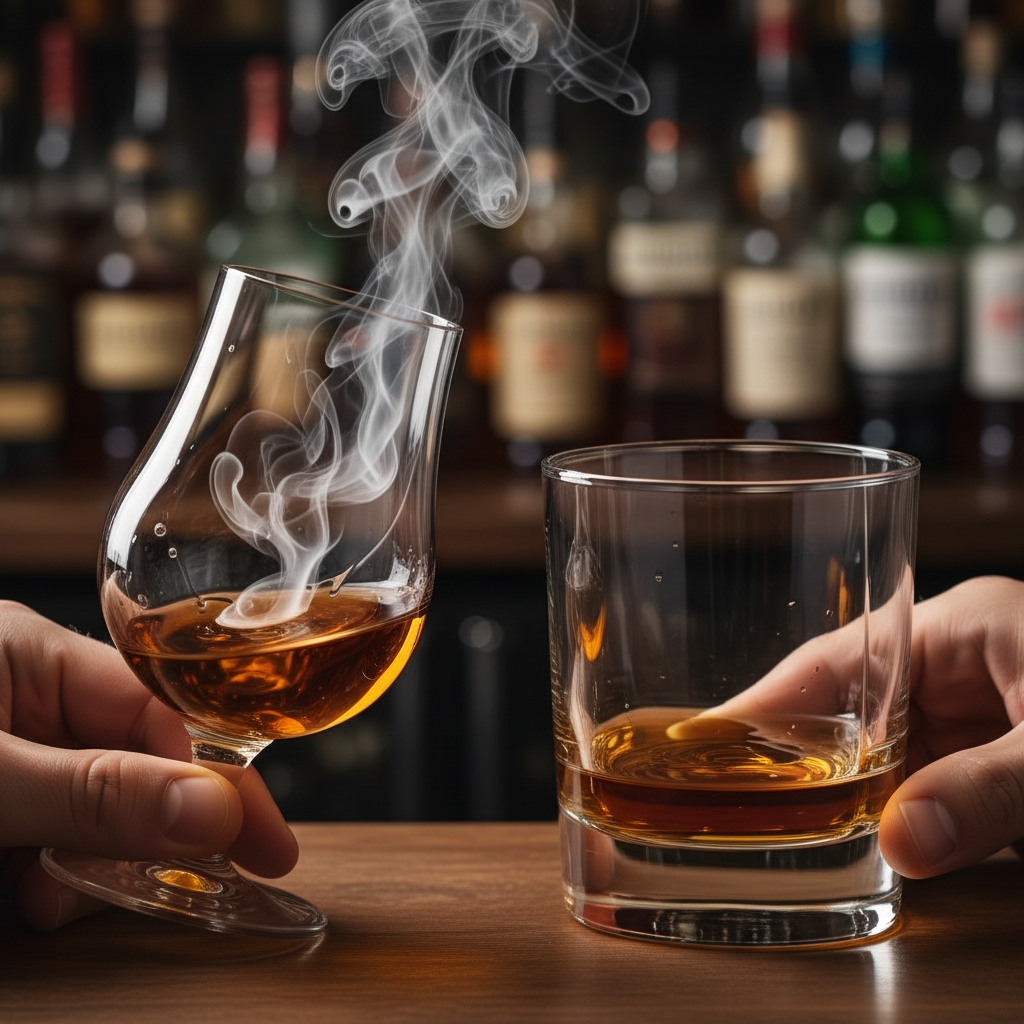
You might be wondering if the curvature of a glass is merely aesthetic. It is not; it is functional engineering. The shape of the glass directly controls the physics of evaporation. When spirits are poured, volatile compounds evaporate at different rates. Ethanol is highly volatile and rises quickly. Aromatic compounds (esters, aldehydes) are heavier.
A cylindrical glass, like a standard tumbler, allows all vapors to rise straight up, mixing the ethanol burn with the aromas. In contrast, a dedicated whiskey glass collection will often feature a bulbous bowl that tapers inward. This shape traps the aromas inside the glass while directing the harsh alcohol vapors away from the nose or allowing them to dissipate at the widest point of the bowl.
For bourbon, which carries heavy vanillins and lactones (coconut flavors) from the oak, a shape that encourages oxidation is critical. The “chimney” effect of a tulip-shaped glass accelerates the separation of these desirable aromas from the alcohol. If you use a glass with straight sides, you lose this separation, resulting in a “flat” sensory experience where the nuance is lost to the air before it ever reaches your palate.
How do rims change a whiskey glass and a bourbon glass?
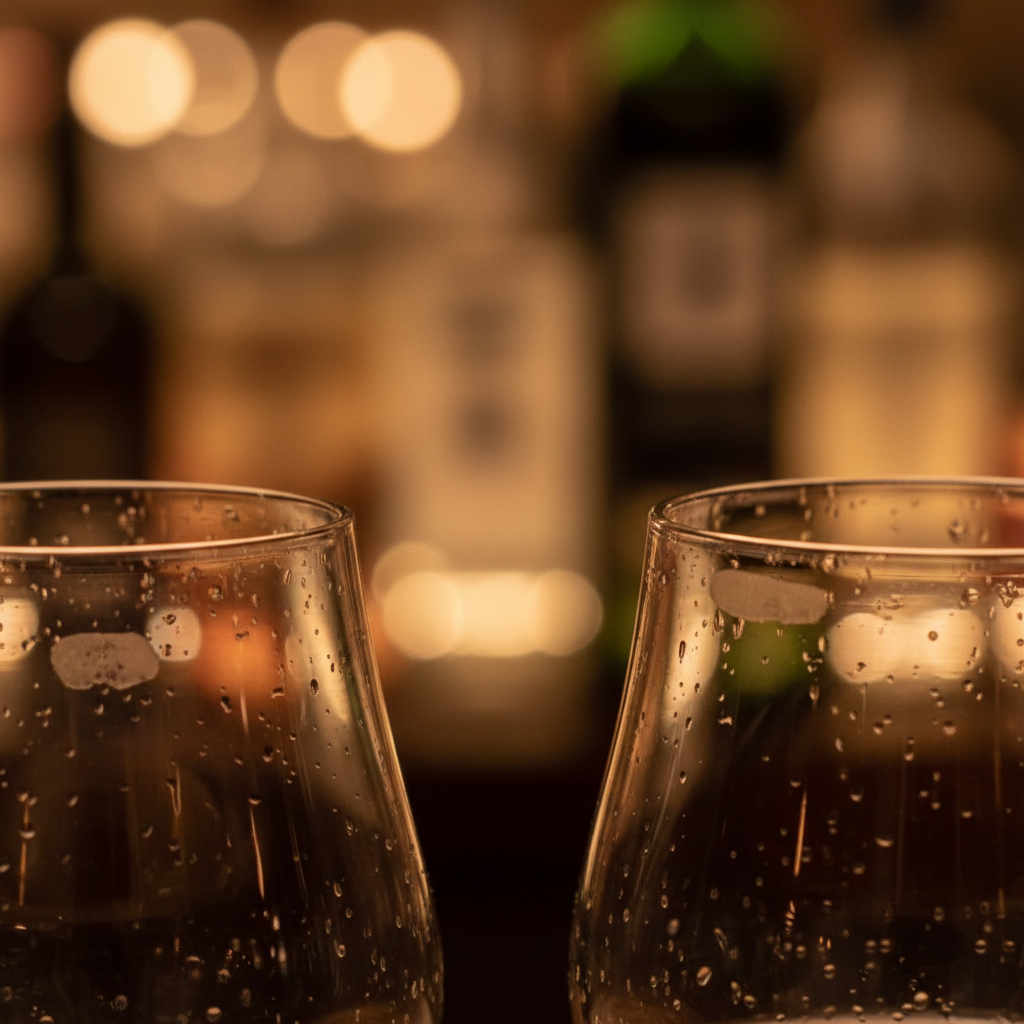
The architecture of the rim is perhaps the most critical interface between the vessel and the consumer. But here is the kicker: the rim determines exactly where the liquid lands on your tongue, which changes your perception of flavor.
A flared rim, common in some bourbon tasting glasses, delivers the spirit to the tip of the tongue first. This area is traditionally associated with detecting sweetness, which highlights the corn sugars and caramel notes inherent in bourbon. A straight or tapered-in rim, often seen in standard whiskey nosing glasses, directs the flow further back or to the center of the palate, which can emphasize acidity or dryness—ideal for complex Scotches but potentially harsh for high-proof bourbons.
Furthermore, the thickness of the rim matters. A thin, laser-cut rim allows for a seamless transition from glass to mouth, minimizing distraction and allowing the liquid to roll smoothly. A thick, rolled rim acts as a speed bump, breaking the surface tension abruptly and often causing the drinker to slurp, which introduces too much air and can over-emphasize the alcohol burn.
Rim Dynamics
- Flared Rims: Highlight sweetness; disperse ethanol away from the nose.
- Tapered Rims: Concentrate aromas; target the mid-palate.
- Straight Rims: Neutral delivery; common in tumblers for cocktails.
Is heat bad for a whiskey glass and a bourbon glass?
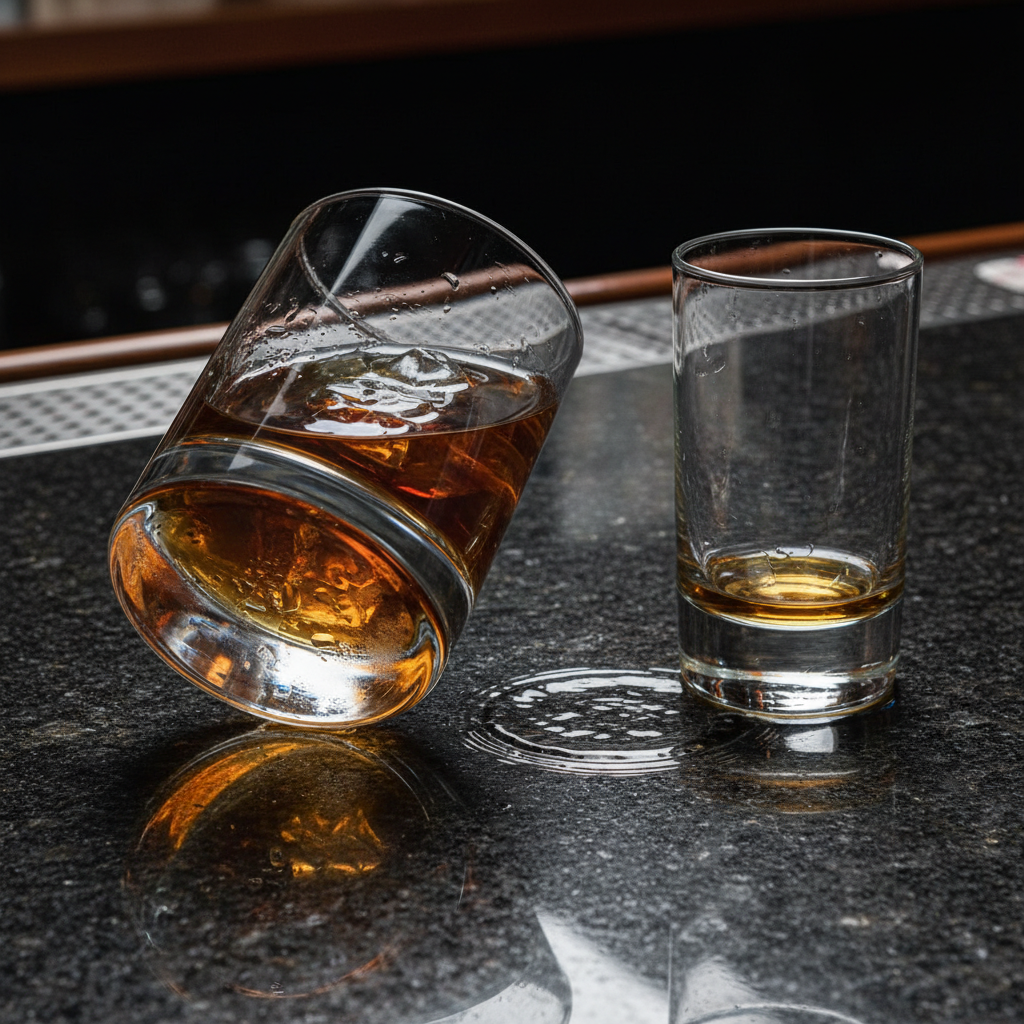
Temperature control is a variable that must be managed according to the type of spirit. This is where it gets interesting. Hand temperature can drastically alter the profile of a whiskey. If you hold a thin-walled snifter in your palm, your body heat transfers to the liquid, increasing the rate of evaporation. For a complex, older Scotch, this might be desirable to “wake up” dormant aromas.
However, for a high-proof bourbon, warming the spirit can cause the ethanol to volatilize too aggressively, overpowering the nose. This is why many bourbon drinkers prefer standard glass tumblers or rocks glasses with heavy bases. The thick glass plug at the bottom acts as an insulator, preventing hand heat from warming the liquid.
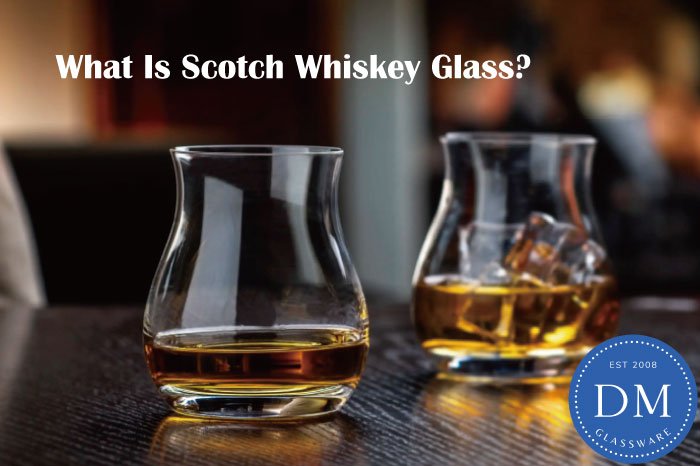
Stemmed glasses, like the Glencairn or Copita, offer a different solution: they allow the drinker to hold the glass by the stem or base, keeping the hand away from the bowl entirely. This maintains the spirit at room temperature, providing the most neutral and accurate tasting condition.
Can you swirl in a whiskey glass and a bourbon glass?
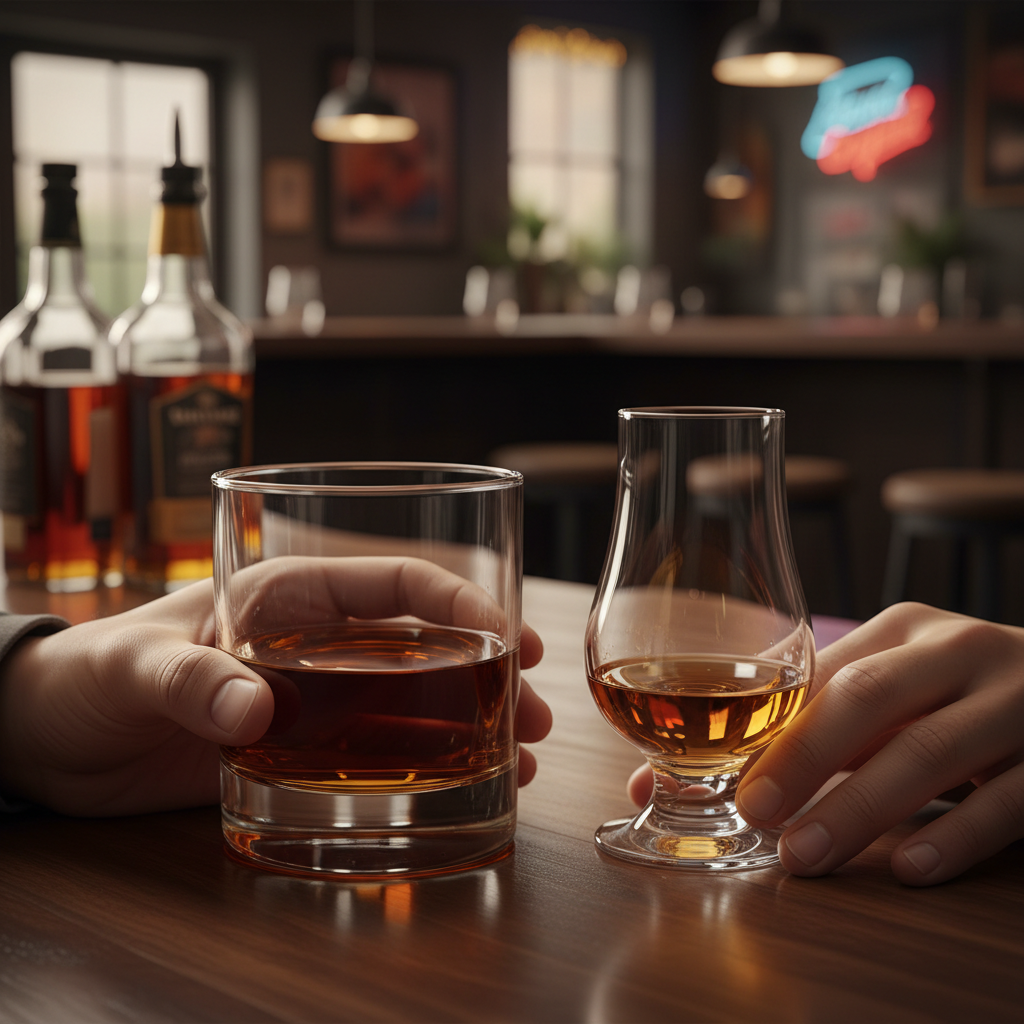
Let your senses lead the way. Swirling is not just a pretension; it is a mechanical method of agitating the liquid to release esters. The ability to swirl without spilling is a key differentiator between a functional tasting glass and a novelty vessel.
A proper bourbon or whiskey glass requires a bowl that is wider than the rim. This geometry allows the liquid to be spun vigorously, increasing the surface area in contact with the air (oxidation). This action coats the sides of the glass, creating “legs” or “tears” that drip down.
Observing these legs gives you data before you even taste: thick, slow-moving legs indicate high viscosity, sugar content, or alcohol levels—common in quality bourbons. Thin, fast legs might suggest a lighter, younger spirit. A glass with vertical walls (like a shot glass or highball) makes swirling impossible without spillage, denying the drinker this crucial aeration step and visual assessment.
Agitating the Esters
- Oxidation: Adds oxygen to “open up” tight spirits.
- Viscosity Check: Vertical walls prevent reading the “legs.”
- Aroma Release: Kinetic energy forces heavy aromatic molecules upward.
Is weight key for a whiskey glass and a bourbon glass?
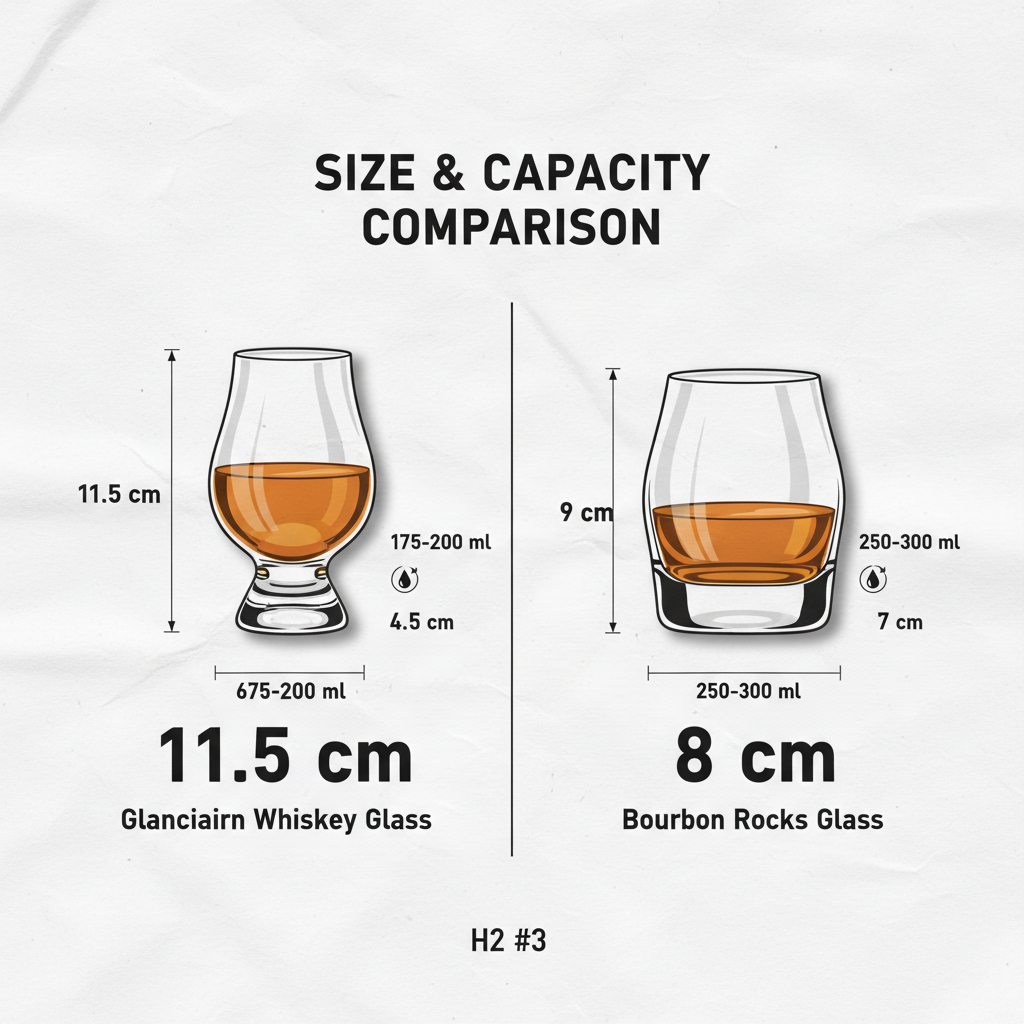
What’s the real story behind the heavy glass? There is a distinct psychological component to the weight of glassware. A heavy, substantial glass conveys a sense of quality and authority, which primes the brain to expect a premium experience. This is particularly relevant in the B2B hospitality sector, where the tactile feel of the barware justifies the price point of the pour.
Beyond psychology, weight equals stability. A quality manufacturing process ensures a uniform distribution of glass in the base (the “sham”). This lowers the center of gravity, making the glass harder to tip over—a practical consideration for bars serving high-value spirits.
In tasting contexts, however, lighter can be better. Thin, delicate crystal removes the barrier between the drinker and the drink. The “lip feel” of a thin glass is often preferred for critical analysis, whereas the “hand feel” of a heavy tumbler is preferred for relaxed, social drinking (especially “on the rocks”).
What history shaped a whiskey glass and a bourbon glass?
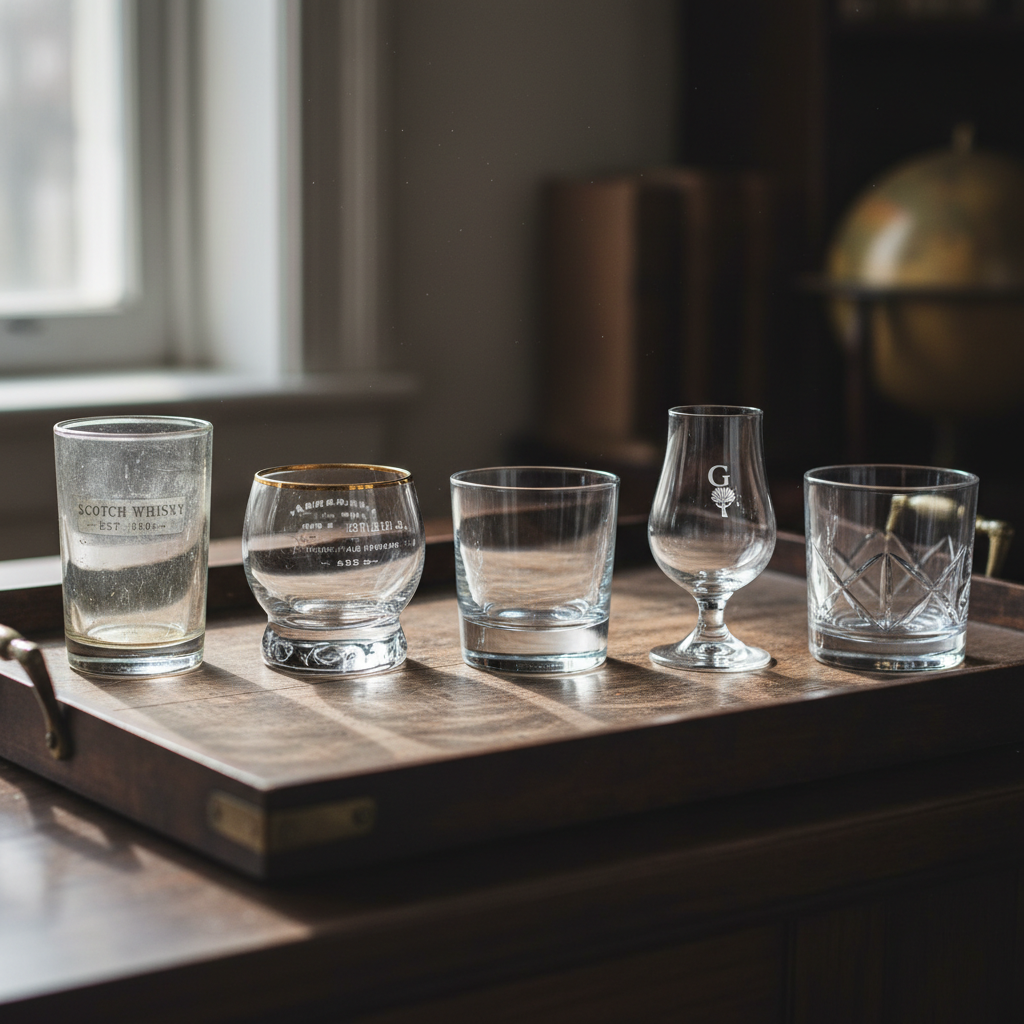
The evolution of these vessels tracks the history of the spirits themselves. The “tumbler” or “Old Fashioned” glass traces its origins to the 17th century, where it evolved from a “tumble-up”—a cup with a rounded bottom that couldn’t be put down until finished. As commercial glass production advanced, the flat-bottomed tumbler became the standard for serving spirits because it was sturdy, stackable, and easy to manufacture.
The divergence of specific “tasting” glasses is a modern phenomenon, largely driven by the single malt Scotch boom of the late 20th century. The dock glass (Copita) was borrowed from the sherry industry by master blenders who needed to analyze nose profiles.
American bourbon culture, traditionally more rugged, stuck with the heavy tumbler and the Mason jar for longer. However, as the “Bourbon Boom” of the 2000s turned bourbon into a luxury commodity, glassware manufacturers began adapting Scotch profiles (tulip shapes) to larger, wider bowls to accommodate the bolder American spirit, creating a hybrid lineage of glassware we see today.
Is crystal best for a whiskey glass and a bourbon glass?
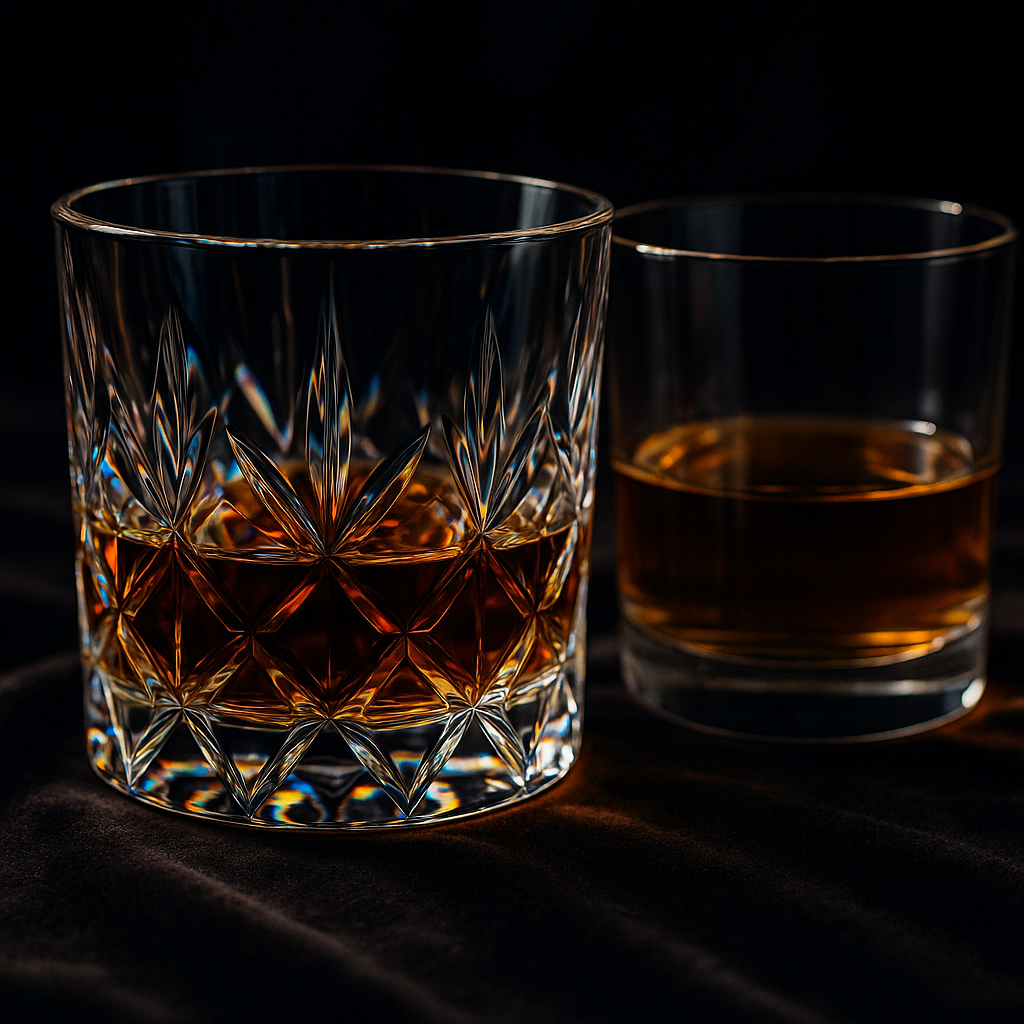
Here is the deal. Crystal is technically glass, but not all glass is crystal. The difference lies in the mineral content. Traditional crystal contains lead, which increases the density and refractive index of the material. This makes the glass sparkle and allows it to be spun very thinly without sacrificing strength.
For whiskey and bourbon, lead-free crystal (often using zinc or titanium oxide) is the industry standard for premium ware. The microscopic surface of crystal is rougher than standard soda-lime glass. This roughness provides more surface area for the spirit to cling to when swirled, intensifying the aeration process.
From a visual standpoint, crystal offers superior clarity, allowing the drinker to assess the color of the spirit—an indicator of age and cask type—without distortion. Furthermore, crystal is harder, allowing for intricate laser engraving techniques and cuts that add grip and aesthetic value without weakening the structural integrity of the vessel.
How to clean a whiskey glass and a bourbon glass?
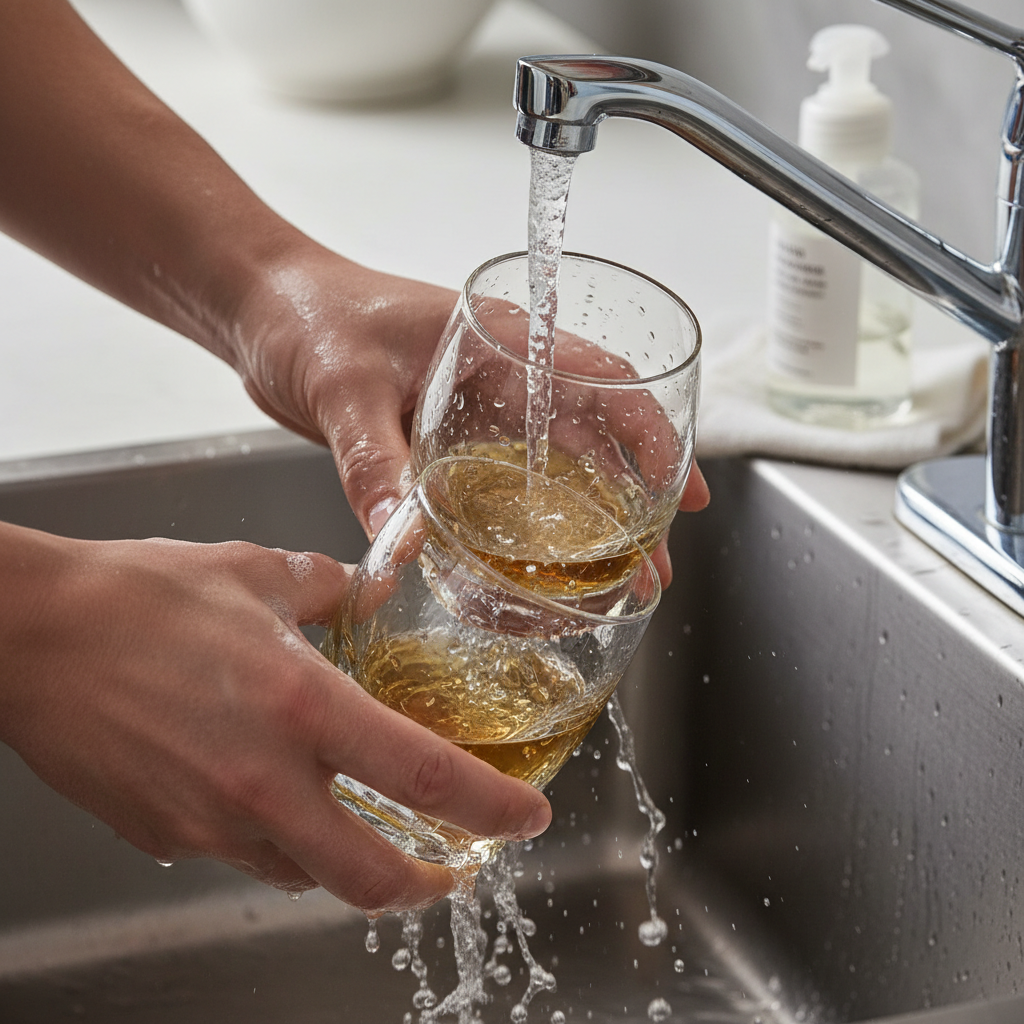
Residue is the enemy of flavor. Detergent scents, rinse aids, and dust can chemically alter the profile of a whiskey. You need to pay attention to how these glasses are maintained.
Porous surfaces in lower-quality glass can hold onto soap flavors. Bourbon glasses should ideally be hand-washed with odorless surfactants and air-dried on a rack that allows airflow to prevent musty smells from trapped moisture.
For high-end crystal tasting glasses, polishing is mandatory. Water spots are mineral deposits that can affect the nucleation of the spirit. Using a microfiber polishing cloth ensures clarity. In a professional setting, a final rinse with a small amount of neutral spirit (like vodka) or the whiskey itself is often used to “season” the glass, ensuring the only thing the customer tastes is the whiskey they paid for.
Cleaning Protocol
- Avoid Dishwashers: High heat and harsh detergents etch the glass over time.
- Use Hot Water: Often sufficient for rinsing between tastings.
- Air Dry Inverted: Prevents dust accumulation in the bowl.
How to choose a whiskey glass and a bourbon glass?
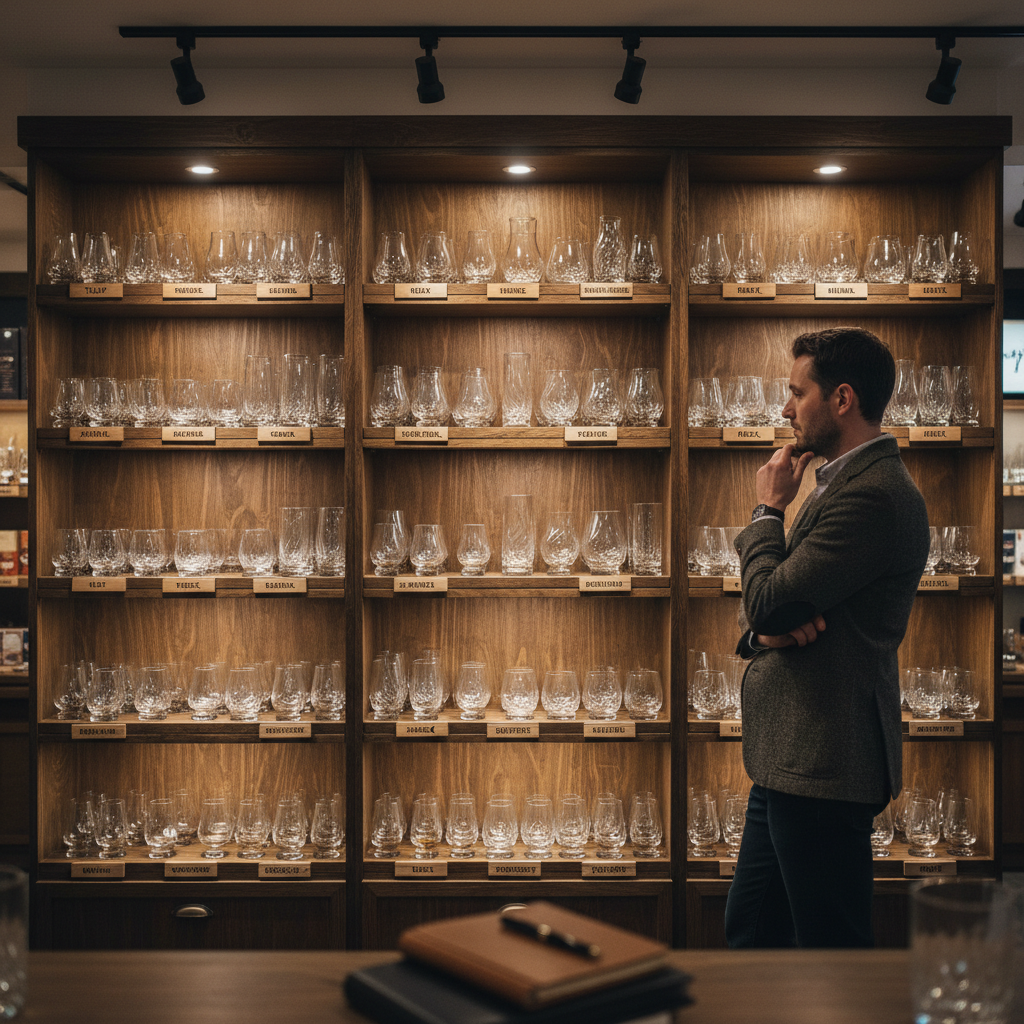
Selecting the right glass depends entirely on the application. Are you analyzing a rare sample, or drinking a cocktail?
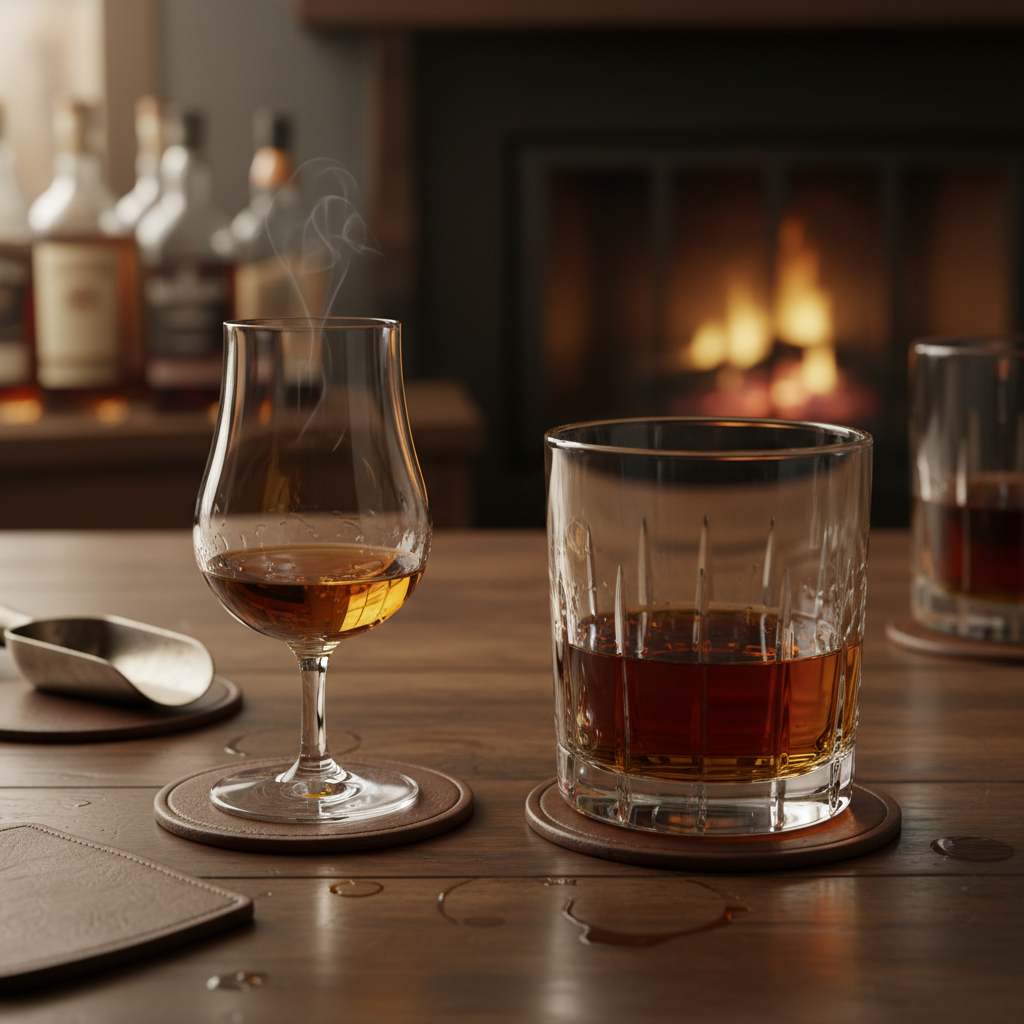
For critical tasting (neat), choose a tulip-shaped glass like a Glencairn or Copita. These concentrate aromas and allow you to dissect the spirit layer by layer.
For social drinking (neat or with water), a wider bowl like a Neat glass or a Norlan glass works well. They reduce the ethanol burn and make the drink more approachable.
For cocktails or ice (Old Fashioned, Manhattans), you need a heavy-based tumbler (Rocks glass). You need the volume for the ice and the width to muddle ingredients. When stocking professional bar glassware , it is essential to have both types: the analytical tool for the connoisseur and the substantial vessel for the casual drinker.
Key Takeaways:
Feature | Tasting Glass (Glencairn/Copita) | Rocks Glass (Tumbler) | |
|---|---|---|---|
Primary Use | Analysis, Nosing, Neat Pours | Cocktails, Ice, Casual Sipping | |
Shape | Tulip/Tapered | Cylindrical/Straight | |
Aroma | Concentrated/Intense | Dispersed/Open | |
Temperature | Hands warm liquid (unless stemmed) | Base insulates; Ice cools |
FAQ
Q1: Can I drink bourbon out of a wine glass?
Yes, and it is actually a good substitute for a professional tasting glass. A white wine glass has a similar tulip shape that concentrates aromas. However, because it is larger, the alcohol vapors might accumulate more heavily, so approach the nose with caution.
Q2: Does the thickness of the glass rim matter?
Absolutely. A thin rim (typically found on crystal) allows the whiskey to flow directly onto the tongue without turbulence. A thick, rolled rim acts as a barrier, often causing the liquid to splash slightly, which can disrupt the tasting experience and emphasize the alcohol burn.
Q3: What is the best glass for high-proof bourbon?
For high-proof or barrel-strength bourbon, a glass with a slightly wider mouth than a standard Glencairn is often preferred. This allows the intense ethanol vapors to escape rather than concentrating them directly into the nose, allowing you to smell the underlying caramel and vanilla notes without the sting.
Q4: Is crystal better than glass for whiskey?
Crystal is superior for serious tasting because of its clarity and microscopic roughness, which helps aerate the spirit. It is also stronger, allowing for thinner rims. However, for high-volume bars or casual use, tempered soda-lime glass is more durable and cost-effective.
Q5: Do I really need different glasses for Rye and Bourbon?
Strictly speaking, no. A quality tulip-shaped glass will work for both. However, because Rye tends to be spicier and leaner, a narrower opening can help capture its subtler fruit notes. Bourbon, being sweeter and bolder, often benefits from a slightly wider bowl to let the heavy wood sugars breathe.