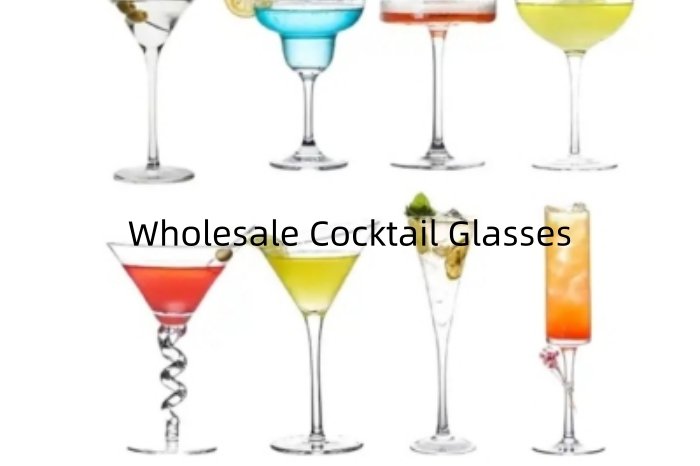
If you are supplying high-end cocktail bars, hospitality groups, or boutique liquor brands, you already know that standard machine-pressed glass doesn’t always cut it. Premium venues want something different. They are looking for a specific weight, a delicate rim, and often, a unique shape to match their signature drinks. That is exactly where hand-blown glassware comes in.
Sourcing the right wholesale cocktail glasses in bulk requires finding a sweet spot between getting that high-end handmade look and making sure the numbers actually make sense for your business.
If you want to source custom handmade barware without the usual supply chain headaches, keep these three points in mind:
Better Feel & Thinner Rims: Always insist on lead-free crystal and laser cold-cut rims. It gives the glass that lightweight, premium tasting experience that thick machine glass can’t replicate.
Lower MOQs for Custom Shapes: You don’t need to buy 50,000 pieces to start a custom mold. Hand-blown production is agile, allowing for custom projects starting at just 3,000 to 5,000 pieces.
Commercial Dishwasher Safe Branding: Don’t use cheap printing. Stick to high-temperature baked decals or laser engraving so the bar logos won’t wash off after a busy weekend.

Why Hand-Blown Beats Machine-Made for Custom Shapes
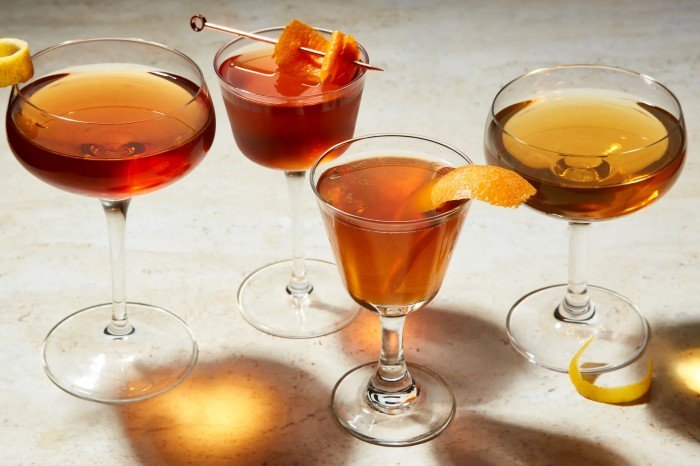
Machines are great for pressing millions of identical, thick pint glasses. But if a mixologist wants a highly specific geometric coupe glass, an oversized Nick & Nora glass, or a totally unique custom shape, machines usually struggle. They are limited by heavy molds and extraction angles.
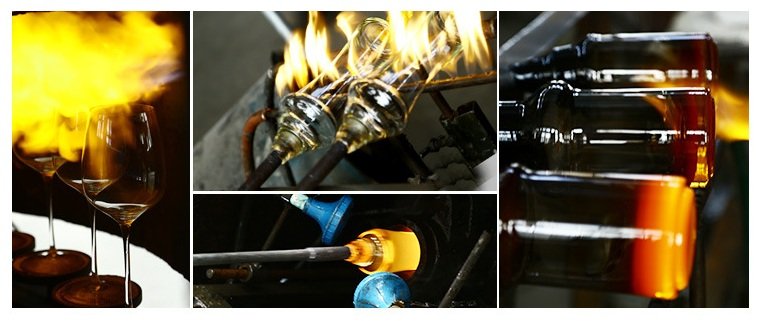
Hand-blown glass fixes this problem. Skilled glassblowers don’t have the same mechanical limits. They can take a complex 3D sketch or a weird design idea and actually make it work in the real world. This flexibility is how you can offer your clients truly unique wholesale cocktail glasses that their competitors can’t easily copy.
The Numbers: Why a 3,000 MOQ Changes the Game
The biggest headache with factory-direct sourcing is the Minimum Order Quantity (MOQ). Fully automated production lines usually need you to buy 20,000 to 50,000 pieces just to make turning the furnace on worth the cost. For a lot of buyers, that is too much cash tied up in one SKU.
Hand-blown production relies on people instead of massive automated lines, which means production runs can be much smaller. If you work with the right manufacturer, you can usually start a custom hand-blown project with an MOQ of just 3,000 to 5,000 pieces.
This lower threshold is a game-changer for B2B buyers:
Test Runs: Liquor brands can launch a limited-edition gift set without taking on massive inventory risk.
Menu Launches: Hotel bars can buy just enough custom glasses to match a new seasonal cocktail menu.
Better Cash Flow: You buy smaller, high-margin batches, which keeps your money moving instead of sitting in a warehouse.
Quality: Crystal and Cold-Cutting
When a bar patron pays $20 for a craft cocktail, the glass needs to feel expensive. Thick, clunky glass instantly ruins the vibe.
Insist on Lead-Free Crystal
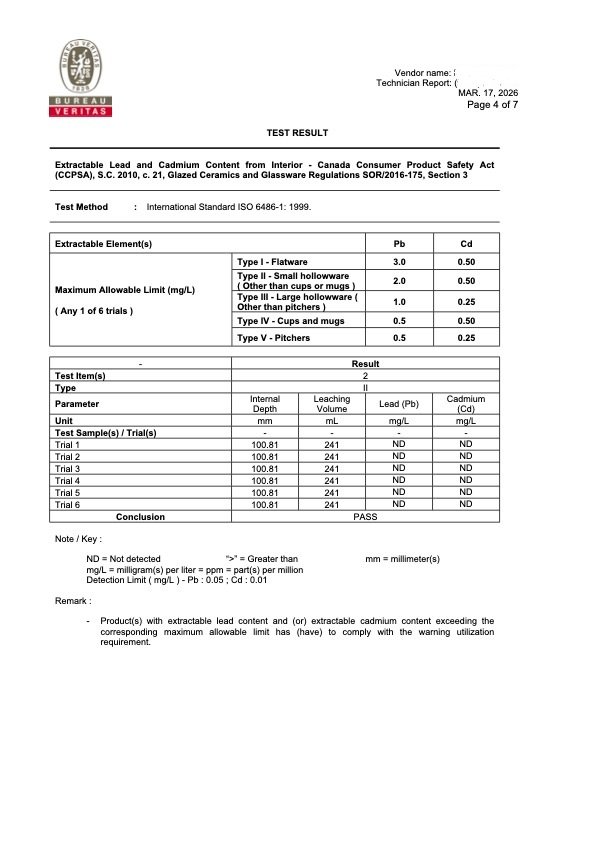
If you are buying handmade cocktail glasses, you should always ask for premium crystal barware that is completely lead-free. It has a much higher refractive index than standard soda-lime glass, meaning it won’t have that cheap green tint. It also allows the glassblowers to make the walls incredibly thin while keeping the glass strong. The result is a glass that feels feather-light and perfectly balanced. Plus, it passes all FDA and LFGB food safety tests without the toxicity concerns of old-school leaded crystal.
Laser Cold-Cut Rims
A heavy, rolled rim (the thick bump at the top of cheap glasses) is terrible for drinking. Premium factories use lasers to cleanly slice the top of the glass off, and then polish it flat. This is called a laser cold-cut rim. It leaves a super thin, seamless edge that lets the cocktail flow smoothly. It’s a small detail, but bartenders and buyers notice it immediately.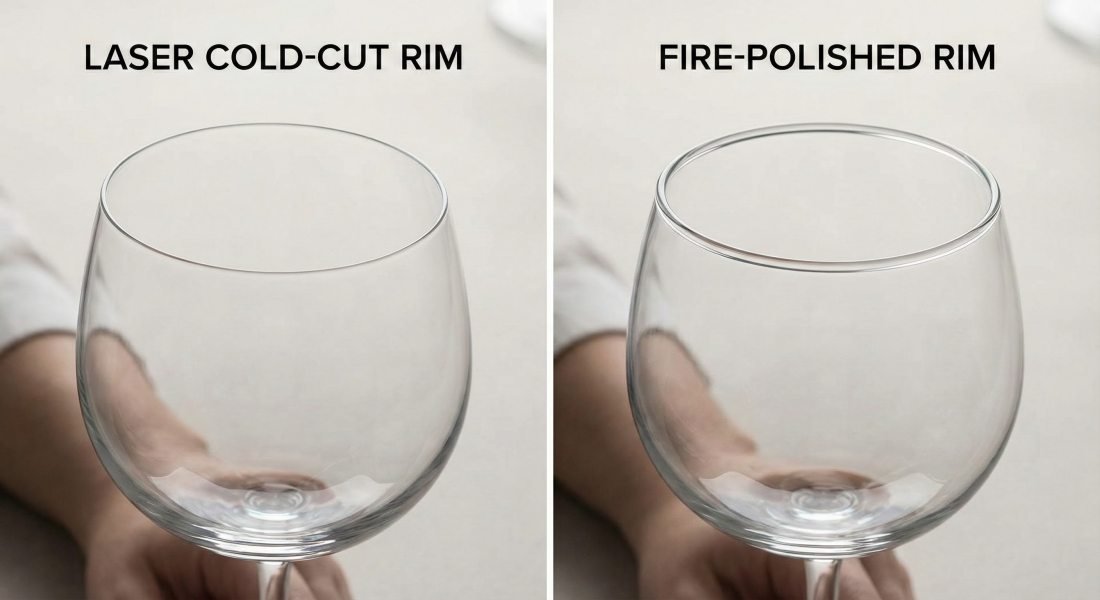
Want to see what a premium handmade shape looks like? 👉 Check Out Our Cocktail Glasses Portfolio Here
Putting Logos on High-End Glass
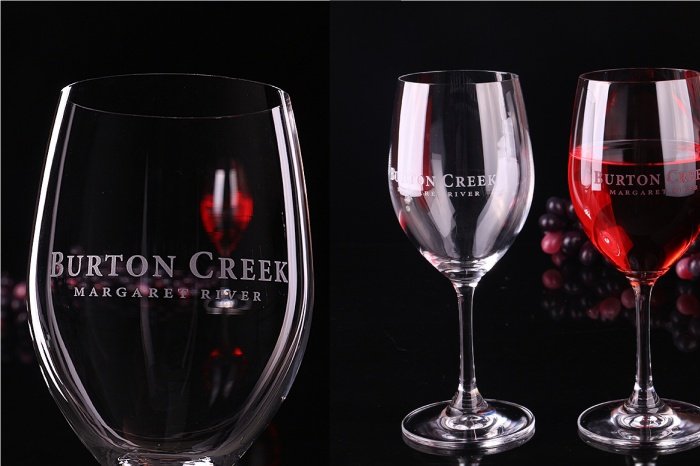
For liquor brand promotions, the glass is basically a billboard. But putting a logo on a delicate crystal glass is tricky. Cheap printing methods will chip off in a commercial dishwasher after a few weeks, making the brand look terrible.
If your clients need bulk personalized cocktail glasses with custom branding, stick to these two methods:
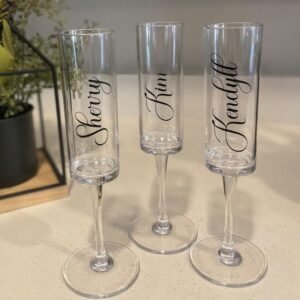
Baked-on Decals (High-Temp): This is the best way to do color logos. The factory applies a decal to the glass and bakes it in a kiln at over 500°C. The logo actually melts into the glass surface. It won’t scratch off and easily survives the harsh chemicals and heat of commercial glass washers.
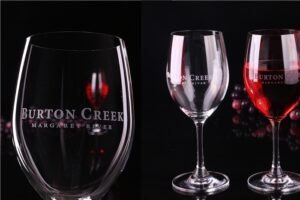
Laser Engraving: If the client wants a subtle, luxury look, go with laser engraving. The laser creates a precise, frosted white logo on the glass. It is 100% permanent. It looks incredibly high-end when placed on the base or the lower bowl of a coupe glass.
Shipping Fragile Glass: Don’t Ignore the Packaging
Hand-blown glass is thin by design. If you buy from a trading company that doesn’t care about logistics, a huge chunk of your order will arrive as broken shards.
You need a direct manufacturer that actually engineers their packaging. Ask your supplier to use E-flute corrugated cardboard dividers inside the export cartons, not that flimsy thin paper. Make sure the cartons are drop-tested and that the pallets will be tightly shrink-wrapped and corner-protected. You are paying for wholesale cocktail glasses, not broken glass.
Practical B2B FAQ
Q1: Since these are handmade, how much do they vary in size?
They aren’t exact clones like machine-made glasses, so expect a tiny bit of microscopic variation—that’s part of the handmade appeal. But for commercial bars, pour lines matter. A professional factory will keep this tight, aiming for a volume difference of just ±3% to ±5% and a height difference of ±2mm, so they still fit perfectly in standard bar racks.
Q2: Will thin crystal glasses survive a busy Friday night at a bar?
Yes, if they are manufactured correctly. The secret is the annealing process at the factory, which slowly cools the glass to remove internal stress. This stops them from shattering when they go from holding ice to sitting in a hot dishwasher. They are safe for commercial use, but bar staff still need to treat them like premium stemware, not thick beer mugs.
Q3: How do we start a custom mold with that 3,000 MOQ?
It is a pretty straightforward process. You send over a 3D file, a technical drawing, or even just a physical sample glass you like. The factory’s engineers check if it can actually be blown and draft a blueprint. Once you approve it, they make the mold. You will always get a physical sample to test before the 3,000-piece production run starts.
Q4: How do I verify FDA and California Prop 65 compliance for “lead-free crystal”?
Always demand a recent, third-party lab test (e.g., SGS, TUV) using the exact material batch for your order. Never rely on internal factory certificates.
Industry Tip: Make passing an XRF heavy metal test a strict condition in your PO before releasing the final balance payment, especially for glasses with colored rims or decals.
Q5: How do you protect our IP when opening a custom private mold?
We sign a strict NDA and an Exclusive Mold Agreement before receiving your 3D files. Your bespoke glass will never appear in our catalogs or sample rooms.
Industry Tip: Never accept a “free” or waived mold fee from a factory. In glassware manufacturing, a waived fee usually means the factory retains mold ownership and can legally sell your proprietary design to competitors. Always pay the full fee for 100% exclusivity.
Q6: How do we manage liability for freight breakage with ultra-thin glasses?
Liability must be defined by clear Incoterms and strict packaging specs in your contract. Specify materials like “E-flute corrugated dividers” instead of just writing “safe packaging.”
Industry Tip: Before authorizing shipment, demand an unedited video of an ISTA standard Drop Test using your fully loaded export cartons. If it fails at the factory, halt the shipment and force repacking.
Q7: How can I verify the commercial dishwasher durability of a custom logo?
Require a Pre-Production Sample (PPS) and perform physical stress tests at your facility before approving mass production. Visual checks are insufficient.
Industry Tip: Perform a “Cross-Hatch Tape Test” on the PPS: score a grid over the logo, apply strong 3M tape, and rip it off. If paint flakes, the kiln baking temperature was too low. Also, run the sample through 50 commercial dishwasher cycles (185°F/85°C) to check for fading.
Skip the Middlemen
When standard off-the-shelf glassware isn’t enough, hand-blown craftsmanship is the best route. By insisting on lead-free crystal, laser cold-cut rims, and finding a partner that offers workable MOQs, you can source custom glassware that actually makes your clients stand out.
At DM Glassware, we combine the flexibility of an artisan workshop with the shipping and QC reliability of a major factory.
👉 Contact the DM Glassware B2B Sales Team to Discuss Your Custom Glass Project Today