
What Are the Different Types of Wine Glasses?
When business buyers search for wine glasses, one question appears again and again: why are there so many types of wine glasses, and which ones should I really buy in bulk?
I see this confusion every week when I talk with importers, wholesalers, brands, hotels, and restaurant groups.
Wine glasses look simple, but they are not simple products. Each wine glass shape exists for a reason. Bowl size, rim width, stem length, and glass material all change how wine tastes, how it smells, and how customers feel when they drink. For B2B buyers, these details also affect breakage rate, storage cost, shipping safety, and long-term sales performance.
In this guide, I explain all major types of wine glasses in a clear and practical way. I write from the view of DM Glassware, as a manufacturer that supports large-volume buyers. My goal is to help you choose wine glasses that are easy to sell, easy to store, safe to ship, and suitable for real commercial use.

Why Do Wine Glasses Matter?
Wine glasses matter because they directly affect wine aroma, taste balance, and drinking comfort. They also influence how customers judge quality and value.
Wine interacts with air. A wine glass controls how much air touches the wine and how fast aroma reaches the nose. The glass also guides wine to different parts of the mouth, which changes sweetness, acidity, and bitterness.
From a business view, the wrong wine glass causes hidden problems. Customers complain about taste. Staff break glasses more often. Products are hard to explain and hard to sell.
| Common Problem | Result for B2B Buyers |
|---|---|
| Wrong bowl size | Wine tastes flat or unbalanced |
| Too thin glass | High breakage and replacement cost |
| No clear category | Weak product positioning |
| Poor stacking design | Higher warehouse and shipping cost |
| Unstable quality | More returns and complaints |
At DM Glassware, we see clearly that buyers who choose the right wine glass types enjoy fewer problems and more repeat orders.
How Does the Right Wine Glass Improve Taste and Aroma?
The right wine glass improves taste and aroma by controlling airflow, aroma release, and wine direction in the mouth.
A wide bowl allows oxygen to mix with wine. This helps aromas open up and softens strong flavors. A narrow rim slows aroma loss and guides smell toward the nose. The shape of the bowl also changes how wine flows onto the tongue.
Different wines need different treatment:
Red wine needs air
White wine needs freshness
Sparkling wine needs bubble protection
That is why one glass cannot fit all wines.
For B2B buyers, this functional difference matters because it creates a clear selling story. When function is clear, buyers stop competing only on price.
Overview: The Main Types of Wine Glasses
Wine glasses are usually divided into several main categories based on wine style and usage.
| Wine Glass Type | Main Feature | Typical Commercial Use |
|---|---|---|
| Red wine glasses | Large bowl | Restaurants, wine bars |
| White wine glasses | Smaller bowl | Hotels, catering |
| Sparkling wine glasses | Tall or tulip shape | Events, banquets |
| Rosé wine glasses | Medium bowl | Cafes, summer venues |
| Dessert wine glasses | Small size | Bars, lounges |
| Universal wine glasses | One balanced shape | Retail brands, casual dining |
This classification helps B2B buyers plan SKUs, packaging, and storage more efficiently.
Red Wine Glasses
Red wine glasses are larger than other wine glasses. This is not for decoration. It is for function.
Red wines contain tannins. When tannins are tight, wine tastes harsh. A large bowl allows more air contact, which softens tannins and opens aroma. Most red wine glasses also have a slightly narrower rim to concentrate smell.
For commercial use, red wine glasses should also be durable. Slightly thicker rims reduce breakage in busy service environments.
Bordeaux Wine Glass
A Bordeaux wine glass is tall with a wide bowl and a controlled rim. This shape directs wine toward the back of the mouth and balances strong flavors.
It is best used for:
Cabernet Sauvignon
Merlot
Cabernet Franc
For bulk buyers, Bordeaux glasses are a safe and popular choice. They are widely accepted and easy to explain to customers.
Burgundy Wine Glass
A Burgundy wine glass has a very wide and round bowl. The bowl is often larger than a Bordeaux glass.
This design helps delicate aromas spread quickly. It is ideal for:
Pinot Noir
Nebbiolo
These wines are lighter in body but rich in aroma. Burgundy glasses sell well to high-end restaurants, but buyers should consider stronger cartons due to the size.
Standard Red Wine Glass
A standard red wine glass balances size, cost, and durability. It is often used as a house red glass.
This type works well for mixed red wine menus and daily service. For wholesalers and distributors, it is usually a fast-moving SKU with low risk.
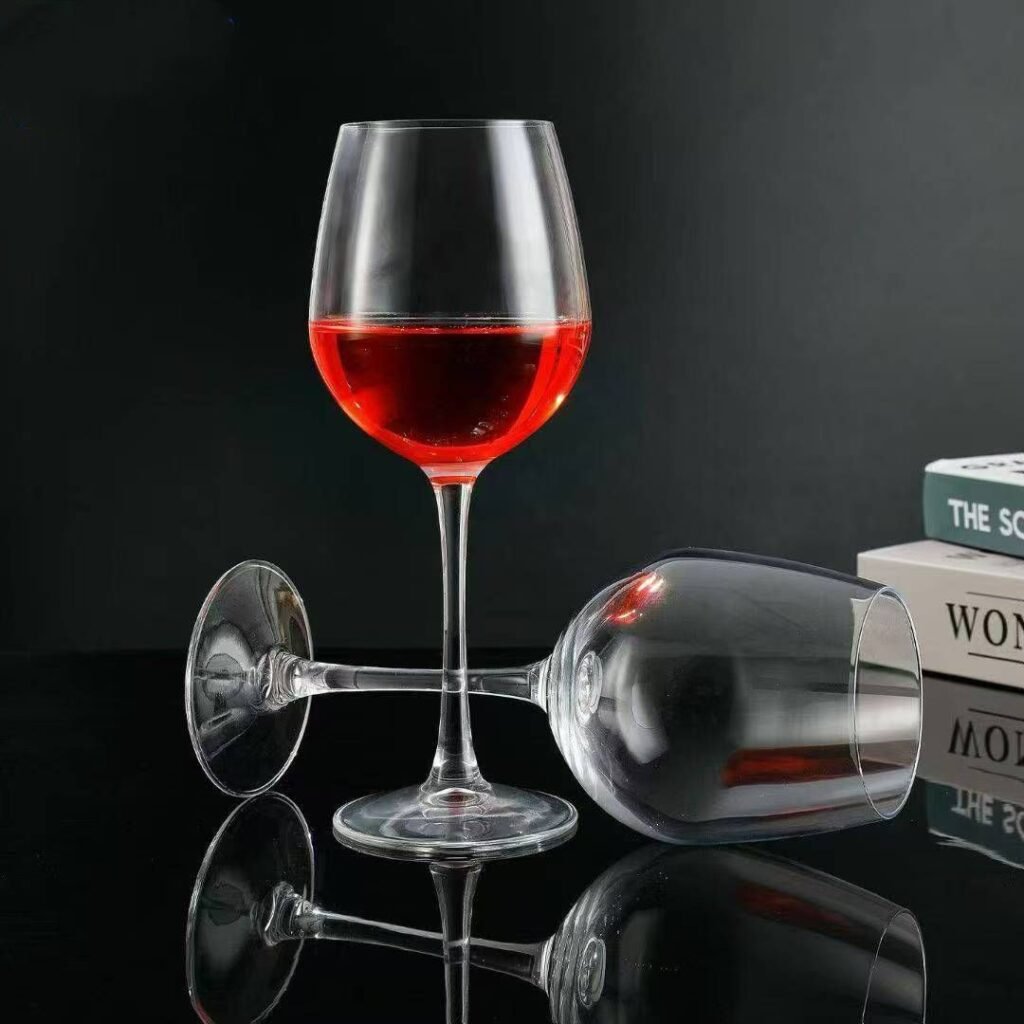

White Wine Glasses
White wine glasses are usually smaller than red wine glasses. The reason is temperature control.
White wine loses aroma quickly when it warms up. Smaller bowls reduce air contact and slow temperature change. Narrow rims help keep aromas fresh and focused.
Chardonnay Wine Glass
Chardonnay wines can be light or rich. A Chardonnay wine glass usually has a slightly wider bowl than other white wine glasses.
This allows limited air contact while keeping freshness. It works well for:
Oaked Chardonnay
Full-bodied white wines
Sauvignon Blanc Wine Glass
A Sauvignon Blanc wine glass is tall and slim. The narrow bowl protects sharp aromas and acidity.
It is commonly used for:
Sauvignon Blanc
Riesling
These glasses are popular in wine bars and casual dining restaurants.
Standard White Wine Glass
A standard white wine glass is designed for flexibility. It fits many white wine styles and reduces SKU pressure.
Hotels, catering companies, and event venues often choose this type because it balances cost and performance.

Sparkling Wine Glasses
Sparkling wine glasses are designed to protect bubbles. Bubbles carry aroma, so shape is critical.
Wide bowls cause bubbles to disappear quickly. Tall shapes slow bubble loss and keep wine lively.
Champagne Flute
A champagne flute is slim and tall. It is the most common sparkling wine glass.
It preserves bubbles well and stacks easily. For banquets, weddings, and large events, flutes are practical and space-saving.
Champagne Tulip Glass
A champagne tulip glass has a slightly wider bowl than a flute. This allows aroma development while still protecting bubbles.
Many wine-focused venues now prefer tulip glasses over flutes.
Champagne Coupe
A champagne coupe is wide and shallow. It looks elegant and vintage.
However, bubbles disappear quickly. Coupe glasses are often used for style or cocktails rather than serious sparkling wine service.

Rosé Wine Glasses
Rosé wine sits between red and white wine. It needs balance.
Rosé wine glasses usually have medium-sized bowls and slightly flared rims. This design keeps the wine cool while allowing gentle aroma release.
They are popular in cafes, beach venues, and summer-focused restaurants.

Dessert and Fortified Wine Glasses
Dessert and fortified wines are sweet and strong. Glasses for these wines are smaller.
Small bowls and narrow rims help control alcohol intensity and serving size.
Port Wine Glass
A port wine glass concentrates aroma and limits volume. The typical serving size is 60 to 90 ml.
This helps customers enjoy richness without feeling overwhelmed.
Sherry Wine Glass
A sherry wine glass is slim and light. It guides aroma without too much air contact and suits fortified wines well.

Universal Wine Glass
Many B2B buyers prefer fewer SKUs. A universal wine glass helps solve this problem.
A universal wine glass has a medium bowl, balanced rim, and moderate height. It works with red, white, and even light sparkling wines.
For retail brands and casual restaurants, universal glasses lower inventory pressure and simplify purchasing decisions.
Stemmed vs Stemless Wine Glasses
Stemmed wine glasses keep hands away from the bowl. This helps protect wine temperature and aroma.
Stemless wine glasses are shorter and easier to store. They are stronger and suitable for casual use.
| Type | Main Advantage | Main Limitation |
|---|---|---|
| Stemmed | Better temperature control | More fragile |
| Stemless | Easy storage and durable | Hand heat affects wine |
Buyers should choose based on service style and customer expectation.

How to Choose the Right Wine Glass for Commercial Use
Choosing the right wine glass is a business decision.
First, look at wine type. Match your main wine list to the glass shape.
Second, consider usage scene. Restaurants need durability. Retail brands need appearance and a clear story.
Third, consider budget and storage. Stackability, packing method, and breakage rate matter a lot in bulk orders.
At DM Glassware, we often help buyers adjust glass thickness, height, and packaging to match real market needs.
Wine Glass Materials: Crystal vs Glass
Wine glasses are usually made from crystal glass or regular glass.
Crystal glass offers higher clarity and thinner rims. It feels light and premium.
Regular glass offers better strength and lower cost. It is suitable for high-volume commercial use.
Handmade glasses look unique but vary in size. Machine-made glasses offer stable quality, which is critical for bulk orders and consistent replacement.
From our production experience, machine-made wine glasses reduce risk and improve long-term supply stability.

Frequently Asked Questions About Wine Glasses
What are the main types of wine glasses?
The main types of wine glasses include red wine glasses, white wine glasses, sparkling wine glasses, rosé wine glasses, dessert wine glasses, and universal wine glasses. Each type is designed with a specific bowl shape and rim size to suit different wine styles.
Why are red wine glasses bigger than white wine glasses?
Red wine glasses are bigger because red wine needs more air contact. A larger bowl helps soften tannins and release aroma. White wine glasses are smaller to keep the wine cool and fresh.
Can one wine glass be used for all types of wine?
Yes, a universal wine glass can be used for most wine types. It has a medium-sized bowl and balanced rim. However, for restaurants and wine-focused venues, using specific glasses for red, white, and sparkling wine gives better taste and customer experience.
What is the difference between a Bordeaux glass and a Burgundy glass?
A Bordeaux glass is tall with a wide but not round bowl, designed for full-bodied red wines. A Burgundy glass has a very wide and round bowl, designed for lighter red wines with complex aromas, such as Pinot Noir.
Which wine glass is best for restaurants and hotels?
For restaurants and hotels, standard red wine glasses, standard white wine glasses, and champagne flutes are the most practical choices. These glasses balance durability, function, cost, and ease of replacement.
Why do sparkling wines need special glasses?
Sparkling wines need special glasses to protect bubbles. Tall shapes like champagne flutes or tulip glasses slow bubble loss and help keep aroma. Wide glasses cause bubbles to disappear quickly.
Are champagne flutes or tulip glasses better?
Champagne flutes are better for large events and banquets because they save space and keep bubbles longer. Tulip glasses are better for wine-focused venues because they allow better aroma development.
What is a stemless wine glass used for?
Stemless wine glasses are often used for casual dining, outdoor events, and home use. They are easier to store and more durable, but hand heat can affect wine temperature.
Is crystal glass better than regular glass for wine glasses?
Crystal glass offers better clarity and thinner rims, which feel more premium. Regular glass is stronger and more cost-effective. For bulk commercial use, regular glass or machine-made crystal is often the best choice.
What is the best wine glass material for bulk orders?
For bulk orders, machine-made glass or machine-made crystal is the best option. These materials provide stable size, consistent quality, and lower breakage risk during shipping and daily use.
How do I choose the right wine glasses for bulk purchasing?
You should choose wine glasses based on wine type, usage scene, durability needs, storage space, and budget. For most B2B buyers, simple shapes with stable quality and easy replacement work best.
How many wine glass types should a business stock?
Most businesses only need three to five types: a standard red wine glass, a standard white wine glass, a champagne flute or tulip glass, and optionally a universal glass. This reduces inventory pressure and storage cost.
Do thicker wine glasses affect wine taste?
Slightly thicker wine glasses do not affect taste in normal commercial use. They reduce breakage and improve safety, which is important for restaurants, hotels, and large-volume buyers.
Why do B2B buyers prefer machine-made wine glasses?
B2B buyers prefer machine-made wine glasses because size and quality are consistent. This makes replacement easy and ensures all glasses look the same across large orders.
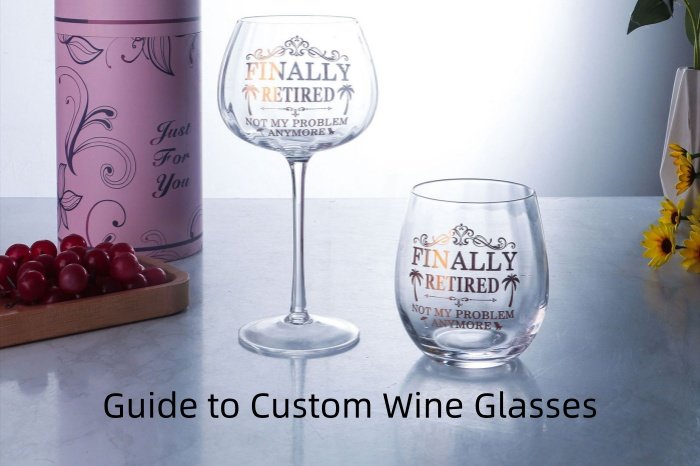
Can wine glasses be customized for branding?
Yes, wine glasses can be customized with logos, decals, printing, engraving, or special packaging. This is common for private label brands, hotels, and promotional projects.
How can DM Glassware support bulk wine glass buyers?
DM Glassware supports bulk buyers with stable production, consistent quality, custom options, safe packaging, and professional export experience. We help buyers choose the right glass designs for real commercial use.
Conclusion
Different types of wine glasses exist for clear reasons. Choosing the right ones improves wine experience, reduces complaints, and supports long-term business success. For bulk buyers, function, durability, and real usage should always come first.