For overseas supermarket procurement managers, wholesale distributors, and promotional brand owners, timing is just as critical as unit cost. Running a successful retail promotion or restocking a high-volume e-commerce store requires a predictable supply chain. A late container delivery means empty shelves, missed holiday sales windows, and severely impacted revenue.
When sourcing bulk machine-made glass tumblers, buyers often miscalculate the actual time it takes from signing a Purchase Order (PO) to receiving the goods in their warehouse. Understanding the mechanics behind glass manufacturing schedules is the best way to protect your inventory strategy.
Quick Summary for B2B Buyers: To accurately forecast lead times for high-volume glassware orders, procurement teams must account for three core manufacturing phases:
Furnace and Mold Scheduling: Glass machines operate continuously. Getting your order slotted into the production schedule depends entirely on the factory’s scale and number of active production lines.
Post-Processing and Decoration: Adding custom logos, frosting, or bespoke retail packaging will typically add 10 to 15 days to your standard lead time.
Packaging and Quality Control: Proper shatterproof packaging takes time to engineer and assemble, but skipping this step guarantees high breakage rates, effectively doubling your lead time when you have to reorder.
If you are planning your purchasing calendar for the upcoming retail season, this guide breaks down exactly how long mass-production glass manufacturing takes and how to avoid costly delays.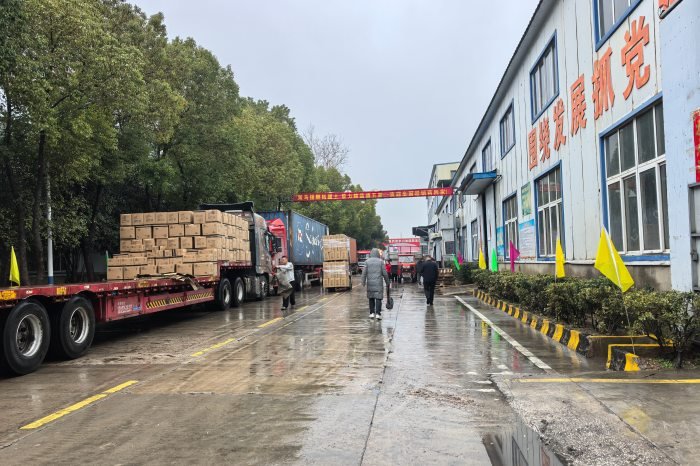
The Reality of Glass Manufacturing Timelines
One of the most common misconceptions among new buyers is treating direct factory sourcing like retail shopping. Direct manufacturers do not hold massive warehouses of finished, unbranded stock waiting to be shipped. Glass production is a make-to-order heavy industry.
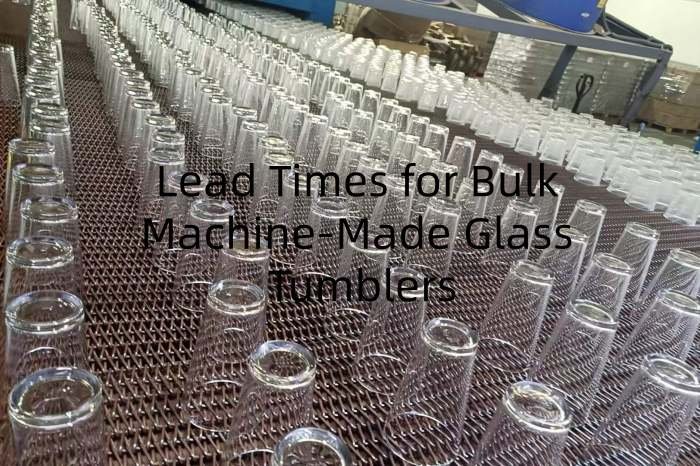
Glass kilns (furnaces) run 24 hours a day, 7 days a week. Shutting down a kiln is incredibly expensive. Therefore, production managers schedule molds tightly back-to-back. When you place an order for bulk machine-made glass tumblers, your order is placed into a queue based on the mold setup schedule. Changing a mold on an automated machine takes several hours of downtime and recalibration. This is exactly why direct factories enforce strict Minimum Order Quantities (MOQs) of 50,000 pieces or more—it is the only way to make the machine setup financially viable.
Typically, the standard production lead time for a blank, unprinted glass tumbler is 30 to 45 days, depending on the current season and factory queue.
How Factory Capacity Dictates Your Delivery Schedule
Your lead time is heavily dependent on the physical size of the factory you choose. If you partner with a small facility running only two or three lines, a single large order from another client can push your production schedule back by weeks.
To guarantee supply chain stability for large-scale B2B buyers, DM Glassware operates as a heavy-asset manufacturer. We maintain 4 multi-channel kilns and 25 automated production lines. This gives us a massive daily output capacity of 950,000 pieces.
What does this mean for your lead time? It means we have the infrastructure to absorb massive container orders without causing bottlenecks. If a supermarket chain needs to order 500,000 bulk machine-made glass tumblers for a nationwide Q4 promotion, our 25 lines allow us to allocate multiple machines to the same SKU simultaneously, compressing the production time and securing your delivery date. By working directly with a factory of this scale, you bypass trading companies and eliminate the communication delays that often derail production schedules.
Factoring in Customization and OEM Packaging
While blank glasses move through the factory relatively quickly, most promotional buyers and retail brands require some level of customization. Every additional process adds days to your timeline. You must calculate these into your procurement plan:
Logo Decoration (Decals or Screen Printing): If you require custom branding, the glass must move from the main production floor to the decoration workshop. Creating the decal plates, applying them to the glass, and running the tumblers through a secondary high-temperature baking kiln usually adds 7 to 14 days to the lead time.

Color Spraying and Frosting: Similar to decals, full-body color treatments require separate processing and curing times.
Retail-Ready Packaging: Bulk packing (simple cardboard dividers) is fast. However, if you require custom 4-pack or 6-pack printed color boxes with display windows for supermarket shelves, the factory must coordinate with the printing supplier. Designing, printing, cutting, and assembling custom retail packaging generally adds 10 to 15 days to the process.
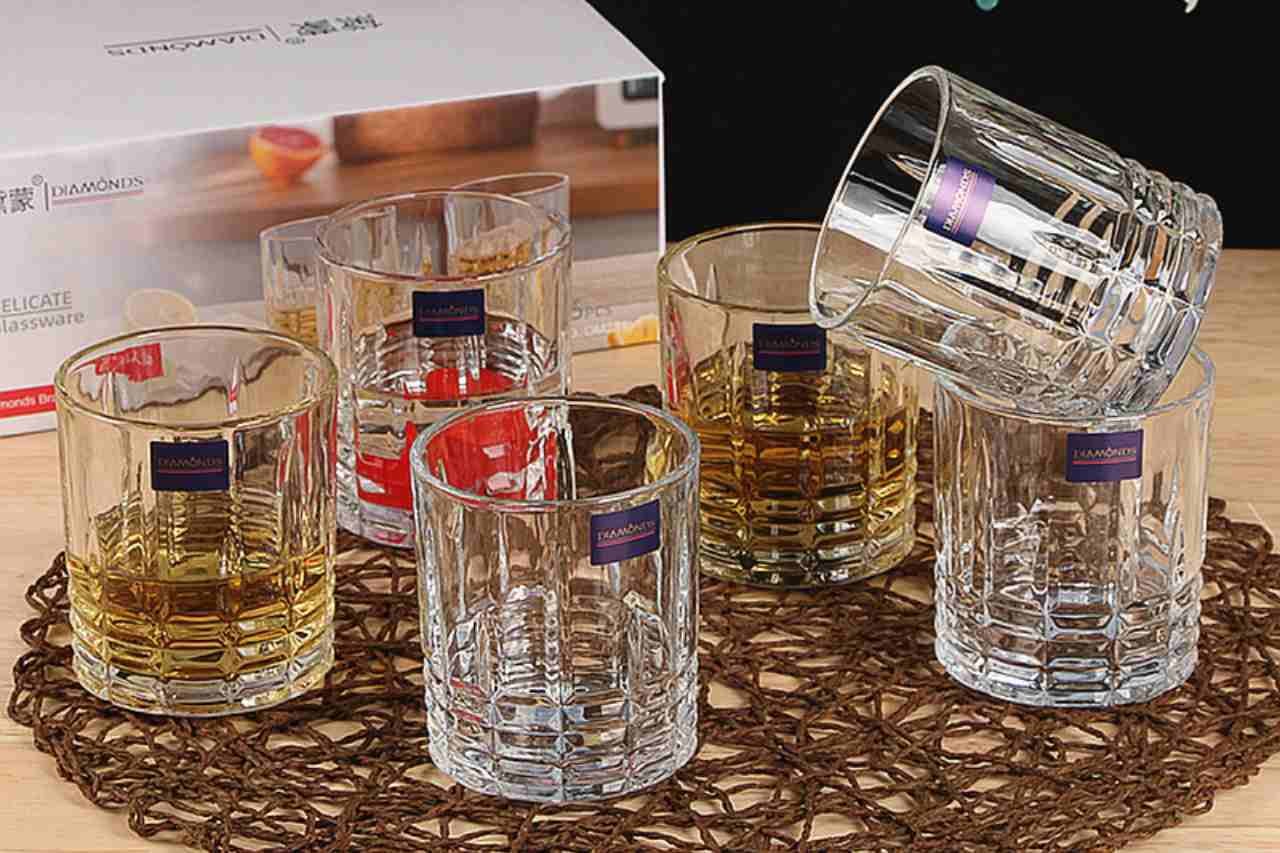
Need a reliable supply partner for your high-volume tumbler orders? 👉 Explore Our Complete Range of Glass Tumblers Here 👉 Download Our Latest B2B Product Catalog
The Hidden Delay: Poor Packaging and Breakage
Many buyers aggressively negotiate lead times down, pushing a factory to rush the packing process. This is a severe procurement error. The true lead time ends when the product is safely on your retail shelves, not when it leaves the Chinese port.
If a factory rushes the packing process and uses cheap, flimsy paper dividers to save time, a significant percentage of your glass will shatter during ocean transit. If 20% of your container arrives broken, your promotional event is ruined. To replace the broken stock, you have to start the 45-day production and 30-day shipping process all over again.
At DM Glassware, we strictly refuse to compromise on packaging. We utilize drop-test certified E-flute corrugated cardboard dividers and heavy-duty export cartons. All pallets are tightly shrink-wrapped and corner-protected. Investing the proper time into our shatterproof packaging protocols ensures your order arrives completely intact, protecting your actual timeline and your profit margins.
Planning for Ocean Freight
Finally, buyers must add logistics to the factory’s production lead time. While DM Glassware can produce a container of bulk machine-made glass tumblers in 35 days, moving that container across the ocean takes additional time.
Shipping from China to the US West Coast typically takes 18 to 25 days. Shipping to the US East Coast or Europe can take 30 to 40 days. Furthermore, port congestion and customs clearance can add unexpected delays. Professional procurement managers always build a 2-week buffer into their timelines to account for global shipping variables.